
Categories
SellersPublished June 15, 2026
Will a Short Sale Ruin My Credit in Arizona?

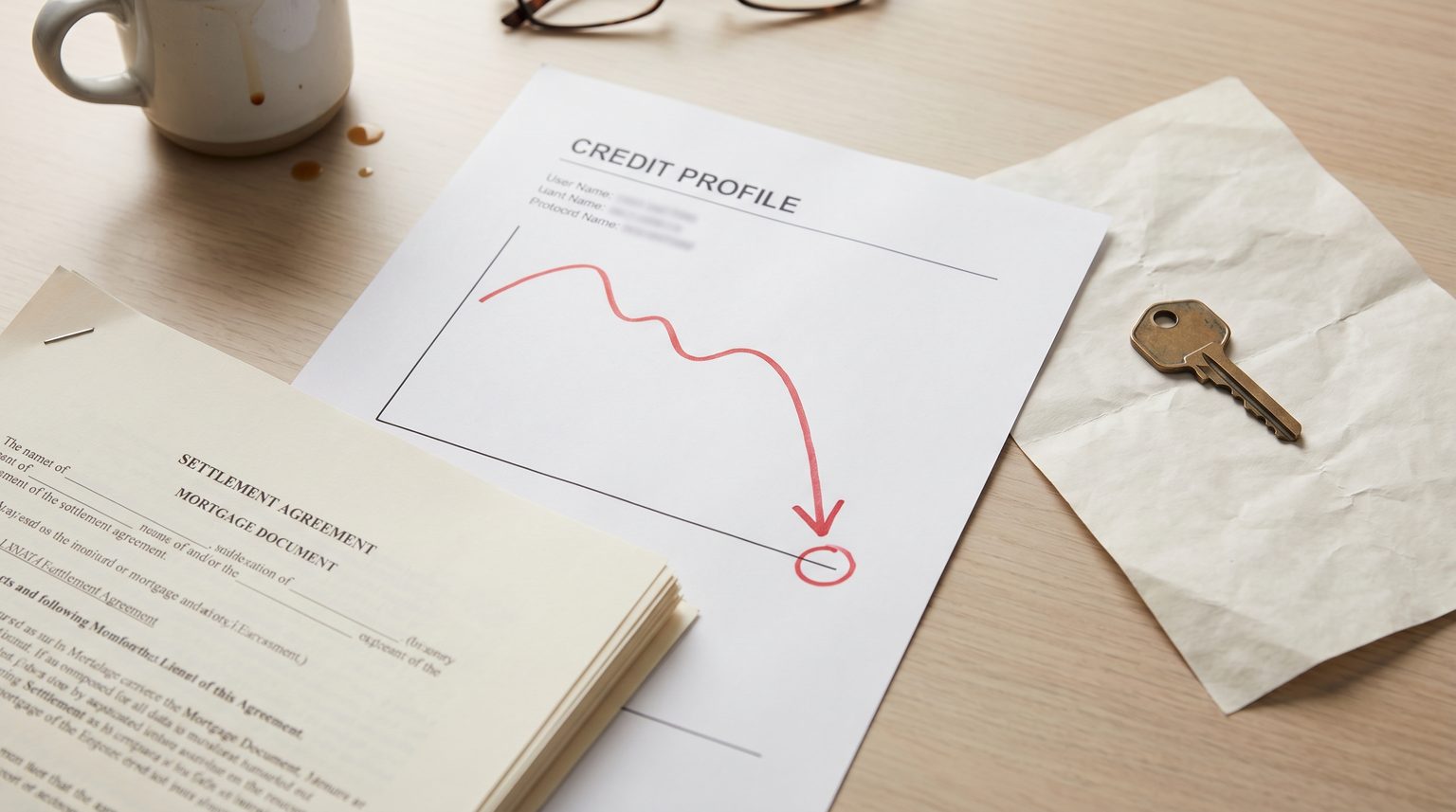
A short sale in Arizona will drop your credit score by 100 to 150 points on average. That's painful, but it's roughly half the damage of a foreclosure, which typically costs you 200 to 300 points. If you're underwater on your mortgage and can't make payments, a short sale is often the least damaging exit.
Here's what you need to know about how short sales affect credit in Arizona, plus the deficiency waiver rules that make the state unique.
How Much Does a Short Sale Hurt Your Credit?
When you complete a short sale, your lender agrees to accept less than the full loan balance. The account is reported to credit bureaus as "settled for less than owed" or "paid settlement." This is a negative mark, and FICO treats it as a serious delinquency.
Expect a drop of 100 to 150 points if your credit was good before the short sale. If you were already behind on payments, the hit may be smaller because your score was already damaged by the missed payments leading up to the sale.
The short sale itself stays on your credit report for seven years from the date of the first missed payment that led to it. During that time, you'll face higher interest rates and tougher approval standards for new credit.
Short Sale vs. Foreclosure: The Credit Score Difference
Foreclosure is worse. A foreclosure can drop your score by 200 to 300 points and also remains on your report for seven years. The key difference is how lenders view you afterward.
With a short sale, you cooperated with your lender and actively tried to resolve the debt. With foreclosure, the lender had to force the sale through court. Future lenders see short sales as less reckless than foreclosures.
Waiting periods also differ. After a short sale, Fannie Mae guidelines allow you to buy a home again in two to four years, depending on your down payment and circumstances. After foreclosure, you typically wait five to seven years for conventional financing.
Arizona's Deficiency Waiver Rules Protect You from Double Damage
Here's where Arizona law helps distressed sellers. If your home sells for less than you owe, the difference is called a deficiency. In many states, lenders can chase you for that deficiency with a lawsuit and a judgment, which adds another massive hit to your credit.
Arizona has strong anti-deficiency protections under A.R.S. 33-814(G). If your property is 2.5 acres or less and was a single-family or two-family residence you occupied, the lender generally cannot pursue a deficiency judgment after a short sale on a purchase-money loan (the original loan you used to buy the home).
Refinances are trickier. If you refinanced and pulled cash out, that new loan may not qualify for anti-deficiency protection unless the cash was used for home improvements. Always verify your deficiency exposure with an Arizona real estate attorney before agreeing to a short sale.
When the lender waives the deficiency as part of the short sale agreement, you avoid a second credit catastrophe. The settled debt shows on your report, but you don't get hit with a separate collection account or judgment.
Timeline: How Long Until You Can Buy Again After a Short Sale?
Conventional loans (Fannie Mae/Freddie Mac) require a two-year waiting period after a short sale if you put down at least 20 percent and can document extenuating circumstances like job loss or medical crisis. With a smaller down payment or without extenuating circumstances, the wait extends to four years.
FHA loans have a three-year waiting period after a short sale, but you may qualify in as little as 12 months if you can prove the financial hardship was a one-time event beyond your control and your credit has been clean since.
VA loans also require a two-year wait in most cases, though exceptions exist for service members with extenuating circumstances.
During the waiting period, focus on rebuilding credit. Pay all bills on time, keep credit card balances under 30 percent of limits, and avoid opening too many new accounts.
Real Phoenix Metro Example: Short Sale in Ahwatukee
Consider a seller in Ahwatukee who bought a home in 2021 for $450,000 with 5 percent down (purchase-money loan). By early 2024, they face job loss and can no longer afford the $2,800 monthly payment. The home is now worth $420,000, but they owe $438,000 after accounting for the remaining principal and closing costs.
The seller negotiates a short sale. The lender agrees to accept $420,000 and waive the $18,000 deficiency because the loan qualifies for Arizona's anti-deficiency protection. The seller's credit score drops from 720 to 590, a 130-point hit.
The seller avoids foreclosure, which would have pushed their score into the low 500s and extended the waiting period to buy again. Two years later, with steady income and rebuilt credit in the mid-600s, they qualify for a new FHA loan on a home in Queen Creek.
Without the deficiency waiver, that $18,000 shortfall could have been pursued as a separate debt, creating a collection account that would suppress their score for another seven years.
How to Minimize Credit Damage During a Short Sale
Stay current on all other debts. Your mortgage will take the hit, but keeping credit cards, car loans, and utilities current limits the overall damage.
Communicate with your lender early. The short sale process takes three to six months in Arizona. Starting conversations when you first anticipate trouble gives you more time to find a buyer and negotiate terms.
Work with an experienced Arizona agent. Short sales require lender approval on price and terms. An agent who understands how Phoenix Metro banks process these deals will help you avoid delays that lead to foreclosure.
Get the deficiency waiver in writing. Before closing, confirm that your lender agrees to waive any deficiency. If your loan doesn't qualify for statutory protection, negotiate the waiver as part of the approval letter.
Review the settlement documents for 1099-C reporting. Forgiven debt can be taxable income. Arizona follows federal tax rules, but the Mortgage Forgiveness Debt Relief Act (which expired and has been periodically extended) may exclude some or all of the forgiven amount from your taxable income. Consult a tax professional.
People Also Ask
Can I rent after a short sale in Arizona?
Yes. Landlords check credit, but a short sale alone won't automatically disqualify you. A score in the 580 to 620 range may require a larger deposit or a co-signer. Some landlords focus more on recent rental history and income than on a single negative mark from a short sale.
Will my HOA dues affect my short sale credit impact?
If you stop paying HOA dues, the association can place a lien on your property and send the debt to collections. Those collection accounts hurt your credit separately from the short sale. In Arizona, HOA super-lien priority means the association can sometimes collect ahead of your lender. Pay HOA dues until closing to avoid a double credit hit.
Does a short sale affect my ability to get a job in Arizona?
Employers can check credit reports for certain positions, especially in finance or roles requiring security clearance. A short sale shows financial distress, but it won't appear as severely as bankruptcy or foreclosure. If asked, explain the circumstances honestly. Most Arizona employers focus on recent financial behavior, not a single event from years ago.
Bottom Line
A short sale will hurt your credit, but it's a controlled damage strategy compared to foreclosure. In Arizona, deficiency waivers and strong anti-deficiency laws often let you walk away without ongoing collection risk. If you're facing financial hardship and your Phoenix Metro home is underwater, talk to a local agent who understands short sale mechanics and can help you protect what's left of your financial position. The right move today can save you years of recovery time tomorrow.
See your Arizona short sale options at ShortSaleAZ.com →
What is your Phoenix home worth? Get a free home value report →

Ryan Melville
| SoldPHX - Ryan Melville at Keller Williams Realty Phoenix
or another way