
Categories
Arizona Real Estate AdvicePublished September 2, 2026
Why Do Most Arizona Homes Use Concrete Block Construction?

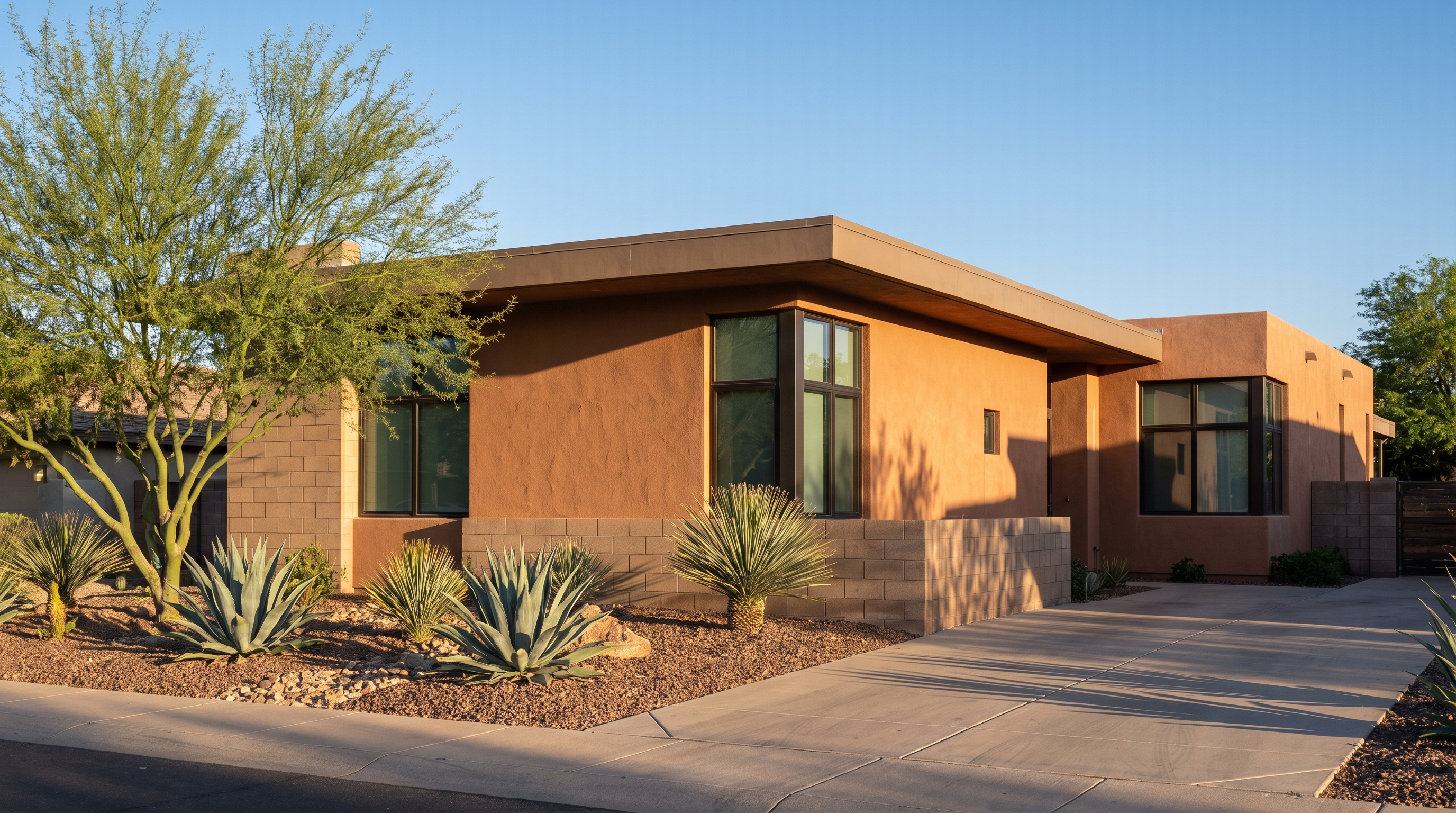
Concrete block construction is the standard in Arizona homes, especially across the Phoenix Metro. If you're moving to Arizona from out of state, you'll notice most residential properties use concrete blocks (also called cinder blocks or CMU—concrete masonry units) for exterior walls instead of wood framing or brick. This isn't a quirk or a cost-cutting measure. It's a practical, proven response to Arizona's intense desert climate and long-term homeowner economics.
How Arizona's Heat Drives Building Choices
Arizona summers reach 110–120+ degrees regularly. Concrete block absorbs, stores, and slowly releases heat, which keeps interiors cooler and reduces air-conditioning strain. Wood-frame homes, common in cooler climates, heat up faster and lose cool air more easily. Concrete block's thermal mass acts like a natural buffer. Your indoor temperature stays more stable, and your AC doesn't run as hard or as often.
This thermal advantage translates directly to lower utility bills over the life of the home—a major selling point for Arizona buyers.
Durability in the Desert Environment
Arizona's low humidity and intense sun are hard on building materials. Wood rots, warps, and attracts termites, even in dry climates. Concrete block doesn't rot. It resists termites and other pests. It won't warp or swell when exposed to temperature swings of 50+ degrees between day and night, which is common in the desert.
Concrete block also stands up to Arizona's rare but fierce monsoons and hail storms. The material is dense and durable, so repairs and maintenance costs stay lower over decades.
Cost Efficiency and Construction Speed
Concrete block is cheaper to build with than many alternatives. Blocks are locally available, labor is familiar, and construction moves quickly. Builders can scale projects faster, which keeps housing more affordable in a growing market like Phoenix Metro.
Because the technique is standardized across Arizona, contractors, inspectors, and lenders all know what to expect. No surprises. No learning curve. This consistency also makes renovations, repairs, and future sales easier.
A Concrete Block Home Example in the Phoenix Metro
Consider a 2,000-square-foot concrete block home in Chandler with a 3-ton AC system. In summer, the thermal mass of the walls slows heat transfer, so the AC might run 6 to 8 hours a day instead of 10 to 12. At an average electric rate of $0.14 per kilowatt-hour, that difference adds up to hundreds of dollars per cooling season. Over a 30-year mortgage, the savings are substantial.
The same home built with wood framing in a cooler climate might need a 4 or 5-ton system and higher monthly bills. Buyers in Ahwatukee, Sun Lakes, Gilbert, or Queen Creek will see comparable benefits.
Concrete Block and Home Value
Lenders, appraisers, and buyers in Arizona expect concrete block. It's not a defect or a downgrade. It's the norm. Homes built with concrete block typically appraise well and sell without concern. Insurance companies also recognize the fire-resistance and durability benefits, which can keep premiums competitive.
If you're evaluating a home that's advertised as wood-frame construction in Arizona, that's unusual. It may be a smaller addition, a remodel, or an older home built before concrete block became standard. Ask your inspector and your Realtor about any trade-offs.
Do All Arizona Homes Use Concrete Block?
Most do, but not all. Some newer homes or luxury builds use a mix: concrete block for load-bearing walls with wood or foam on the exterior for insulation or aesthetics. Some commercial properties or older homes (pre-1970s) may be all wood or brick. But if you're shopping in Phoenix, Scottsdale, Chandler, or any Phoenix Metro suburb, concrete block will be your baseline expectation.
What Out-of-State Buyers Should Know
If you're relocating to Arizona, concrete block construction is not a red flag. It's a feature. The material choice reflects decades of desert building experience and Arizona's unique climate demands. Your inspector will look for cracks, efflorescence (white powder on the surface), and foundation settlement—the normal concerns. But concrete block itself is tried-and-tested.
Your home inspector and local Realtor can walk you through any repairs or updates the home might need, but the concrete block foundation and walls are designed to last 75+ years with routine maintenance.
People Also Ask
Do concrete block homes cost more to air-condition than wood-frame homes?
No. Concrete block homes typically cost less to cool because the thermal mass keeps interiors stable and reduces AC run time. Wood-frame homes in hot climates heat up and cool down faster, which often means higher cooling costs.
Can you paint or stucco a concrete block home?
Yes. Many Arizona homes have stucco or paint finishes over concrete block. This adds weather protection and aesthetics. Regular maintenance—repainting every 5 to 10 years and sealing cracks—keeps the home in top condition.
Are concrete block homes more prone to cracks?
Minor settlement cracks are normal in any home and are not a sign of failure. Large or widening cracks warrant a professional inspection. Your home inspector and a structural engineer can determine if repair is needed. Most concrete block homes in Arizona remain structurally sound for 50+ years or more.
Bottom Line
Concrete block construction is Arizona's answer to desert heat, durability, and cost. It's not a regional quirk—it's engineered common sense. If you're buying in Phoenix, Chandler, Gilbert, Scottsdale, or anywhere in the Phoenix Metro, expect and embrace concrete block homes. Talk to a Phoenix-area Realtor who can explain how this construction method fits your home search and your needs and budget.
Search homes for sale in Phoenix →

Ryan Melville
| SoldPHX - Ryan Melville at Keller Williams Realty Phoenix
or another way