
Categories
Home ImprovementPublished June 17, 2026
What Should I Fix Before Selling My Home in Phoenix?

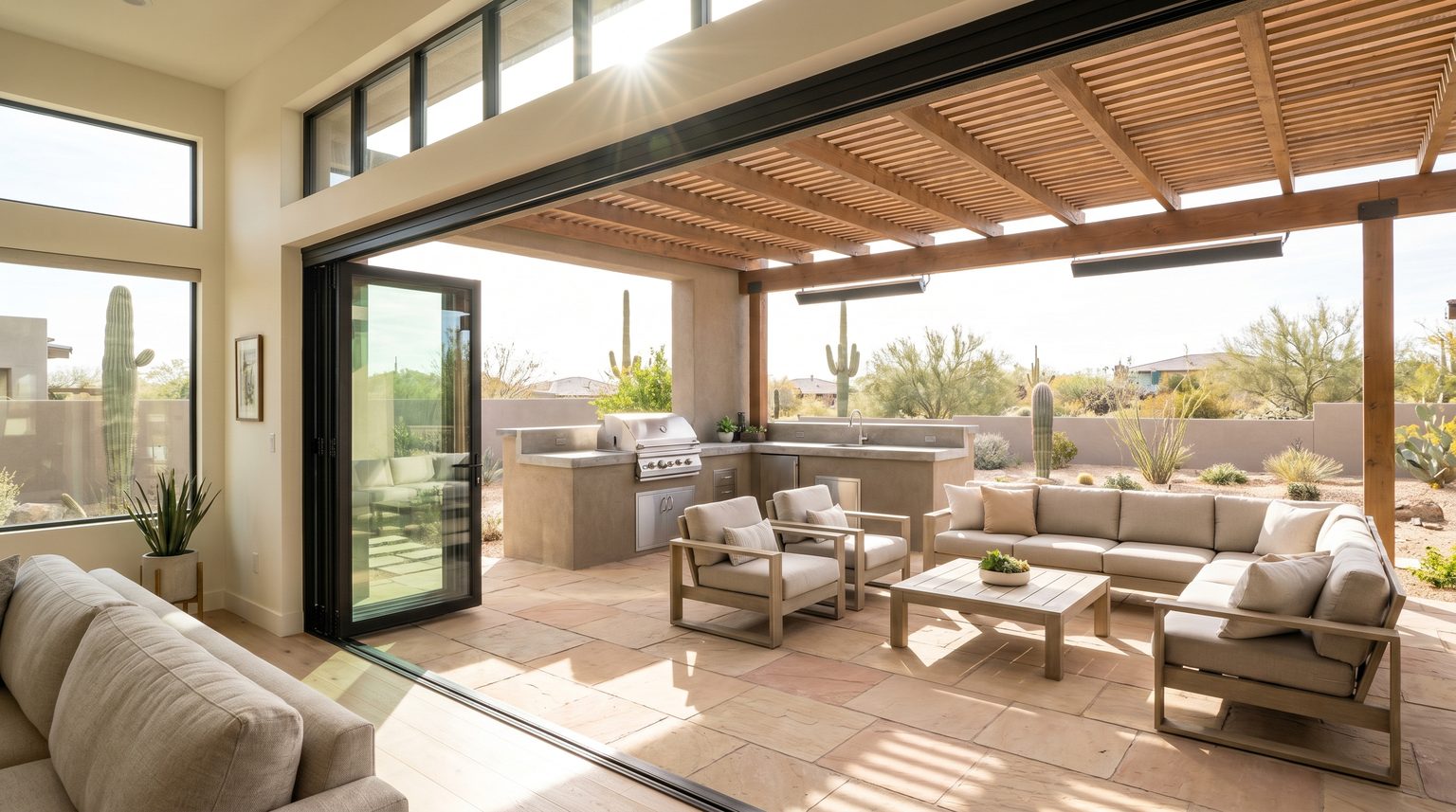
Fix curb appeal, HVAC issues, and any safety hazards before listing your Phoenix home. Buyers in this market expect move-in condition, and unaddressed repairs often trigger lowball offers or kill deals during inspections. Focus on what inspectors flag most: roofing, cooling systems, electrical panels, and cosmetic items that make rooms look dated.
Arizona's extreme heat makes certain repairs non-negotiable. A failing air conditioner in June can torpedo your sale, while cracked window seals or peeling exterior paint signal deferred maintenance. Sellers who address these issues upfront close faster and net more money.
Start With a Pre-Listing Inspection
Hire a licensed home inspector before you list. This costs $300 to $500 in the Phoenix metro but saves thousands in surprise concessions later. You'll get a detailed report of every issue a buyer's inspector would find, giving you control over which repairs to make and which to disclose.
Pre-listing inspections uncover problems you've lived with but buyers won't accept. That slow-draining shower, the garage door that sticks, the wobbly ceiling fan in the master bedroom. Fix these now or watch buyers use them as negotiation leverage.
Focus on items that affect safety, structural integrity, or livability. Skip purely cosmetic upgrades unless they're glaring. A 1990s popcorn ceiling won't kill your deal, but a water-stained ceiling that suggests a roof leak will.
HVAC and Cooling Systems
Your air conditioner is the most scrutinized component in a Phoenix home sale. Buyers expect a unit that can handle 115-degree July days without breaking down. If your system is over 12 years old, budget for replacement or prepare to offer a credit.
Service your HVAC before listing. Replace dirty filters, clear the condensate drain line, and trim plants around the exterior condenser. A clean maintenance record from a licensed HVAC company reassures buyers the system was cared for.
Dual-pane windows with intact seals keep cooling costs down. If you have single-pane windows or broken seals that fog up, consider upgrading high-visibility areas like the living room and master bedroom. In Ahwatukee or Gilbert, where summer electric bills hit $400-plus, efficient windows are a selling point.
Roof and Exterior Repairs
Phoenix roofs take a beating from UV exposure and monsoon storms. Inspectors check for missing shingles, cracked tiles, and damaged flashing around vents and chimneys. A roof with less than five years of life left will cost you in negotiations.
Walk your property and look for peeling paint, cracked stucco, or dry-rotted trim. Arizona sun destroys exterior finishes faster than humid climates. Repaint south and west-facing walls if the finish is chalky or faded. Seal any stucco cracks wider than a quarter-inch to prevent water intrusion during monsoon season.
Check your gravel landscaping for weed growth and top-dress with fresh rock if needed. Dead plants, broken irrigation lines, and overgrown bushes make buyers think the home wasn't maintained. A tidy desert landscape costs little but signals pride of ownership.
Electrical and Plumbing Safety
Inspectors test every outlet, light switch, and GFCI. Replace any outlets that spark, don't hold a plug tightly, or lack ground-fault protection in kitchens and bathrooms. If your home was built before 1990 and still has an old Federal Pacific or Zinsco panel, budget $2,000 to $3,000 for a replacement. Lenders sometimes refuse to close on homes with known hazardous panels.
Fix dripping faucets, running toilets, and slow drains. Test your water heater's temperature-pressure relief valve and replace it if it's corroded. A 15-year-old water heater in Scottsdale is living on borrowed time. Buyers will ask for a credit or replacement if it fails inspection.
Interior Cosmetic Fixes That Matter
Paint interior walls in neutral tones. Beige, greige, and soft white appeal to the broadest buyer pool. Skip bold accent walls or dated color schemes like builder-grade tan with brown trim. Fresh paint costs $2 to $4 per square foot and delivers the highest visual impact per dollar spent.
Replace worn carpet in bedrooms and hallways. If the carpet in your Chandler home is stained or smells like pets, rip it out and install luxury vinyl plank or budget-friendly laminate. Buyers in Queen Creek and Gilbert expect updated flooring, and old carpet triggers lowball offers.
Update light fixtures in the kitchen, dining room, and entryway. Brass or bronze builder-grade fixtures from the early 2000s look dated. Swap them for brushed nickel or matte black options from a big-box store for $50 to $150 each. The same goes for cabinet hardware in the kitchen and bathrooms.
Phoenix-Area Example: Ahwatukee Seller Prep
A seller in Ahwatukee with a 2,100-square-foot home built in 2005 spent $6,800 prepping for sale. They replaced a 14-year-old HVAC system ($5,200), repainted the interior ($1,200), and fixed a cracked shower pan ($400). The home listed at $575,000 and sold in nine days for $582,000 with no inspection repair requests.
A comparable home down the street skipped repairs and listed at $570,000. Buyers found the aging AC, chipped paint, and leaking shower during inspection and negotiated a $9,000 credit. That seller netted $573,000 after concessions and carried the home for an extra 22 days.
Proactive repairs don't guarantee a bidding war, but they eliminate objections and keep deals on track. Buyers who see a well-maintained home make cleaner offers with fewer contingencies.
People Also Ask
Should I replace old appliances before selling?
Only if they're non-functional or visibly damaged. A working 10-year-old dishwasher won't kill your sale, but a broken oven will trigger repair requests. If your appliances are outdated but functional, consider offering a $500 to $1,000 credit for buyer upgrades instead of replacing them yourself.
Do I need to fix hairline cracks in my stucco?
Hairline cracks under an eighth-inch wide are cosmetic and common in Arizona. Buyers expect them. Cracks wider than a quarter-inch or those showing water staining need professional repair. Inspectors flag structural cracks, and lenders sometimes require remediation before closing.
How much should I spend on pre-sale repairs in Phoenix?
Budget 1% to 3% of your home's value for pre-listing repairs and cosmetic updates. A $500,000 home in Gilbert might need $5,000 to $15,000 depending on age and condition. Focus on high-impact items like HVAC, paint, and flooring. Skip expensive remodels that won't recover cost in your sale price.
Bottom Line
Prepare your Phoenix home for sale by addressing HVAC reliability, roof condition, and cosmetic items that signal deferred maintenance. A pre-listing inspection gives you control over the repair narrative and prevents surprise concessions during buyer due diligence. Most sellers who invest in smart repairs close faster and net more than those who list as-is.
Ready to get your home sale-ready? Talk to a Phoenix-area agent who knows what local buyers expect and which repairs deliver the best return.
What is your Phoenix home worth? Get a free home value report →

Ryan Melville
| SoldPHX - Ryan Melville at Keller Williams Realty Phoenix
or another way