
Categories
SellersPublished August 11, 2026
What Inspection Repairs Are Deal Breakers in Phoenix Offers?

Most sellers in Phoenix are willing to negotiate after a home inspection, but some repair requests cross the line and kill deals. The biggest deal breakers are structural damage (foundation cracks, roof failure), major HVAC or electrical system failures, and active safety hazards like mold or faulty wiring. Minor cosmetic issues almost never derail a transaction.
Understanding which inspection items buyers take seriously helps you prepare your home and set realistic expectations during negotiation. Here's what actually matters in the Phoenix market.
Structural Issues That Stop Deals Cold
Foundation problems top the list of deal killers. In Phoenix's expansive clay soils, foundation movement is common but not always catastrophic. Buyers walk when they see major cracking (wider than ¼ inch), vertical displacement, or foundation reports estimating repairs over $15,000.
Roof failures are equally serious. A roof with five years or less of useful life often triggers buyer requests for replacement or a credit equal to replacement cost. In Phoenix, that typically runs $8,000 to $18,000 depending on home size and materials. Active leaks or missing shingles after monsoon season are red flags buyers won't ignore.
Severe drainage issues that cause pooling water near the foundation also kill deals. Phoenix gets intense summer storms, and buyers know poor grading leads to foundation damage and interior flooding.
HVAC, Electrical, and Plumbing Failures
Air conditioning isn't optional in Phoenix. A non-functional or severely undersized AC unit is a deal breaker for most buyers. Expect replacement requests if the unit is over 15 years old or fails the inspection test. Replacement costs range from $5,000 to $12,000 for a typical single-family home.
Electrical systems with Federal Pacific or Zinsco panels often trigger lender denials and buyer walkouts. These panels are known fire hazards. Aluminum wiring, ungrounded outlets, and overloaded circuits also raise serious safety concerns that buyers won't overlook.
Plumbing issues that kill deals include active sewer line breaks, polybutylene piping (common in 1980s-1990s homes), and failing water heaters showing rust or leaks. Galvanized steel pipes in older Phoenix homes often need full replacement, which can cost $8,000 to $15,000.
Health and Safety Hazards
Active mold growth is a major deal breaker, especially in bathrooms, attics, and around HVAC systems. Buyers worry about health risks and remediation costs. Mold remediation in Phoenix averages $2,000 to $6,000 depending on severity.
Asbestos in popcorn ceilings or floor tiles (pre-1980s homes) doesn't always kill deals, but buyers typically require professional testing and abatement before closing. Removal costs run $1,500 to $4,000 for most homes.
Termite damage with active infestations causes serious concern. Arizona has subterranean termites that damage wood framing. Buyers demand proof of treatment and repair estimates. Structural termite damage over $3,000 often leads to renegotiation or cancellation.
What Rarely Kills Deals
Cosmetic issues almost never derail transactions. Worn carpet, dated paint colors, old countertops, and minor tile cracks are buyer preferences, not defects. Most buyers expect to personalize these items and won't walk over them.
Minor plumbing drips, small roof repairs under $500, and cosmetic stucco cracks don't typically cause problems. Normal appliance wear or a door that sticks are maintenance items, not red flags.
Pool equipment needing minor repairs rarely kills deals in Phoenix, though non-functional pool heaters or pumps may trigger repair requests. Buyers who want a pool accept that equipment needs occasional service.
Phoenix-Specific Considerations
Desert landscaping and irrigation issues are common inspection items but rarely deal breakers. Buyers understand drip systems need maintenance. However, dead or dying mature desert trees (palo verde, mesquite) can prompt requests for removal or credits.
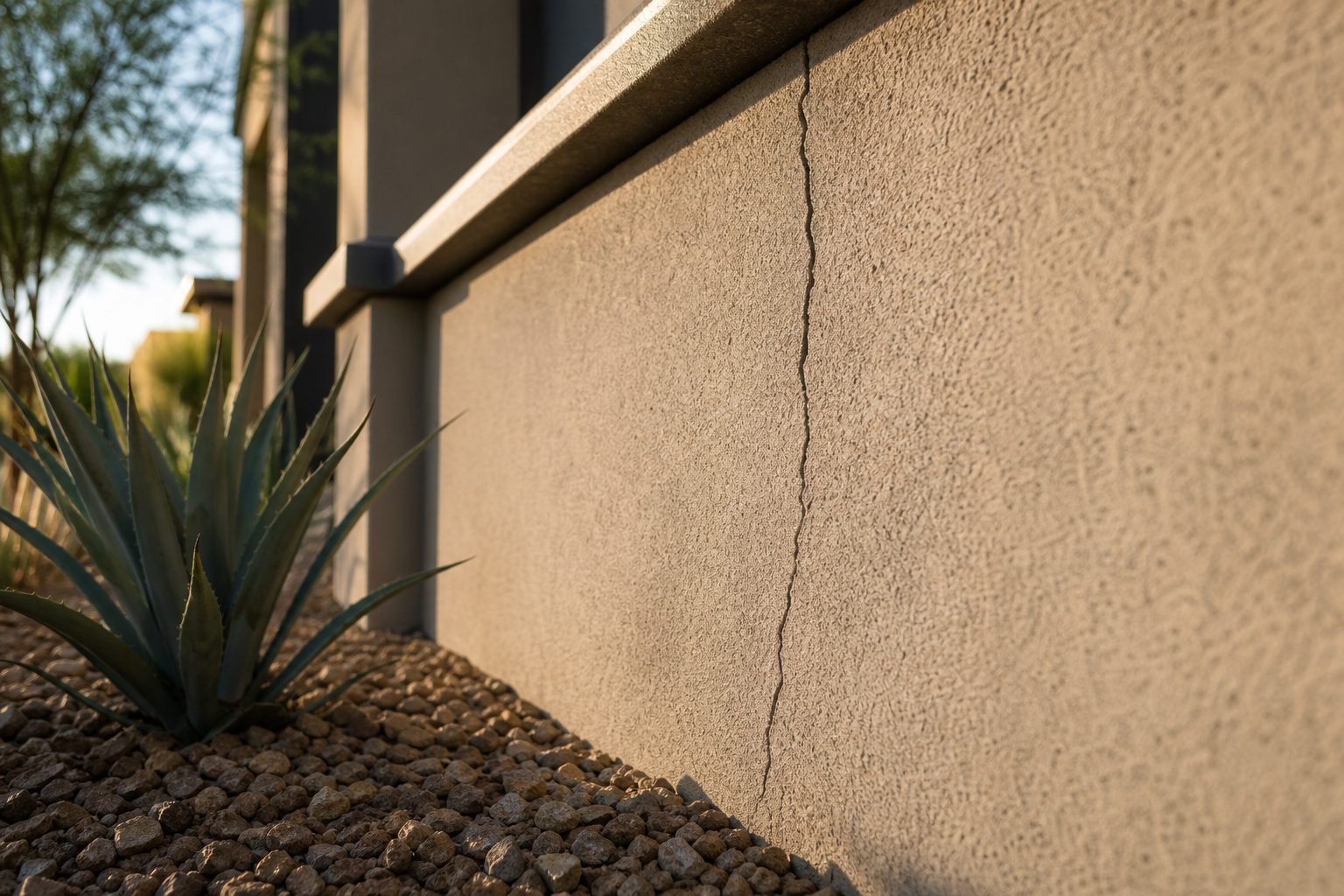
Stucco cracking is extremely common in Phoenix due to soil movement and temperature swings. Hairline cracks under ⅛ inch are considered cosmetic. Wider cracks, especially near windows or doors, may indicate foundation issues and warrant further investigation.
Evaporative coolers (swamp coolers) in older Phoenix homes are often requested to be replaced with refrigerated air. This isn't a defect but a buyer preference that can become a negotiation point in competitive markets.
A Real Phoenix Example
A seller in Chandler listed a 1995 home at $425,000. The buyer's inspection revealed a 16-year-old AC unit showing reduced airflow, minor foundation cracks, and a water heater past its expected lifespan. The buyer requested $8,500 in credits.
The seller agreed to replace the water heater ($1,200) and credit $3,000 toward AC replacement. They refused to address foundation cracks under ¼ inch, which the inspector noted as typical for the area. The deal closed without issue because the seller addressed major systems and held firm on cosmetic concerns.
How to Handle Repair Requests
Review inspection reports with your agent before responding. Not every item listed requires action. Focus on safety hazards, major system failures, and items that affect insurability or financing.
Get your own contractor bids if buyer estimates seem inflated. A buyer's repair request for $12,000 might actually cost $6,000 when you get multiple quotes. Use real numbers to negotiate.
Offer credits instead of completing repairs when possible. Buyers often prefer to choose their own contractors. Credits also avoid delays waiting for repair completion. In Arizona, there is no state real estate transfer tax, so credits don't create additional tax burdens.
Know when to walk away. If a buyer demands repairs for normal wear or cosmetic preferences after you've addressed legitimate issues, they may not be negotiating in good faith. Sometimes accepting a backup offer is the better move.
People Also Ask
Should I get a pre-listing inspection to avoid deal breakers?
A pre-listing inspection helps identify major issues before buyers discover them. You can address deal breakers proactively or price accordingly. In competitive Phoenix markets, homes with pre-inspection reports and receipts for major repairs often sell faster and with fewer post-inspection surprises.
Can a buyer walk away over inspection findings in Arizona?
Yes. Arizona purchase contracts typically include an inspection contingency that allows buyers to cancel and receive their earnest money back if they're not satisfied with inspection results. Buyers can use inspection findings to renegotiate or walk away within the contingency period, usually 10 days after contract acceptance.
What if the buyer requests repairs after the August 2024 NAR settlement?
The August 17, 2024 NAR settlement changed how buyer-agent compensation is handled but not inspection negotiation. Buyers still request repairs or credits based on inspection findings. Sellers still negotiate based on market conditions and the severity of issues. Buyer-agent commission is now negotiable and not automatically paid by the seller, but repair negotiations follow the same process they always have.
Bottom Line
Deal breakers in Phoenix revolve around structural integrity, major system failures, and safety hazards. Foundation issues, roof failures, non-functional HVAC, electrical hazards, and active mold consistently kill transactions. Cosmetic issues and minor maintenance items almost never do.
Knowing the difference helps you respond strategically to inspection requests. Address legitimate concerns, hold firm on cosmetics, and keep the transaction moving. A Phoenix-area agent who understands local market norms can help you navigate inspection negotiations and close your sale. Reach out to discuss your needs and budget.
What is your Phoenix home worth? Get a free home value report →

Ryan Melville
| SoldPHX - Ryan Melville at Keller Williams Realty Phoenix
or another way