
Categories
New ConstructionPublished June 9, 2026
What does an Arizona new-construction builder warranty actually cover?

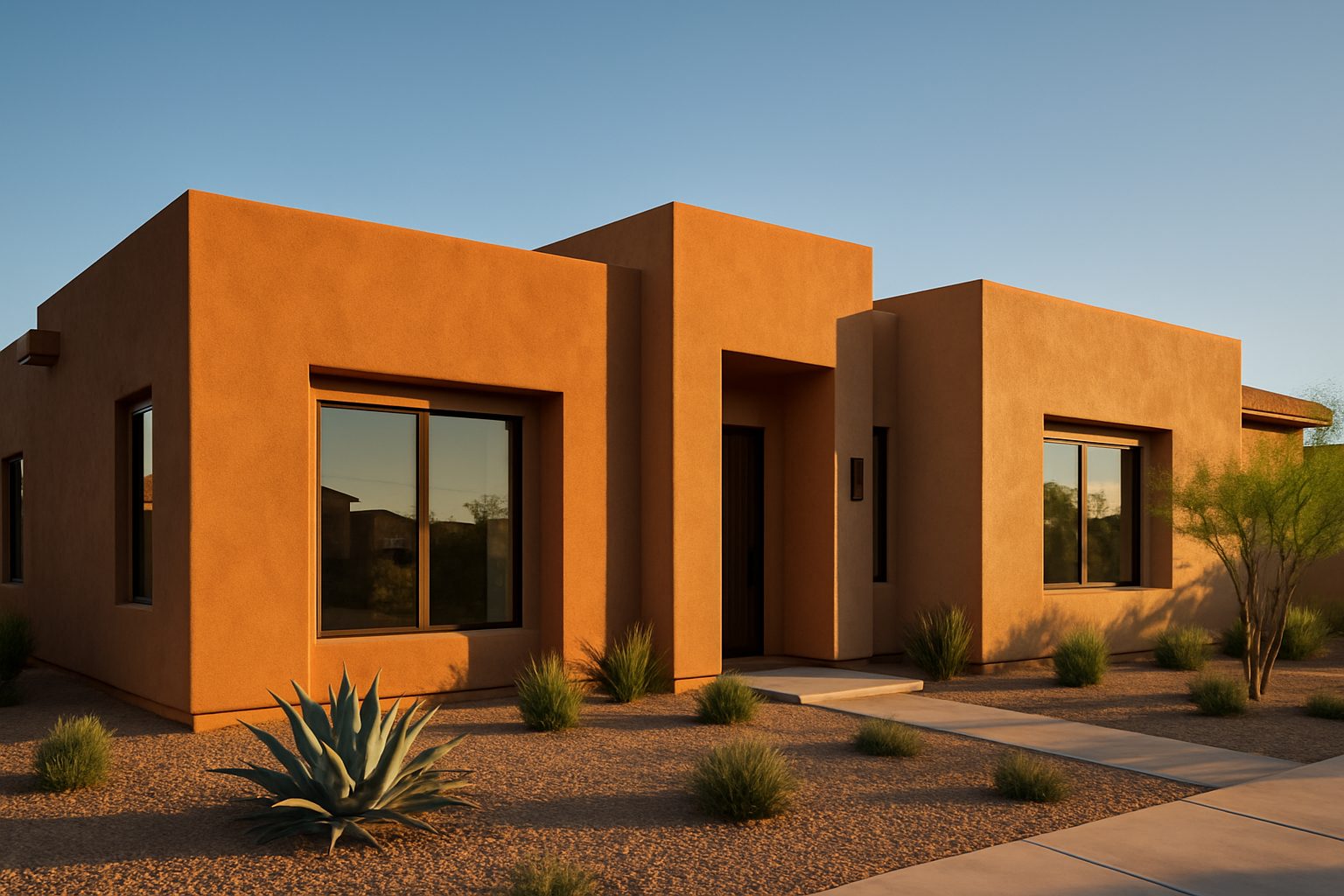
Arizona new-construction builder warranties typically include a one-year warranty on materials and workmanship, a two-year warranty on mechanical systems (HVAC, plumbing, electrical), and a ten-year structural warranty. Coverage specifics vary by builder, and many builders use third-party warranty companies to insure these obligations after closing.
Here's what you need to know before you buy a new build in the Phoenix Metro.
The standard builder warranty structure in Arizona
Most Arizona production builders follow a tiered warranty model:
- Year one: Materials and workmanship defects. Drywall cracks, paint flaws, flooring issues, appliance malfunctions, window and door problems.
- Years one through two: Major mechanical systems. HVAC, plumbing, electrical wiring, ductwork, water heaters.
- Years one through ten: Structural defects. Foundation failures, load-bearing wall or beam defects, roof framing issues that affect structural integrity.
The builder remains responsible for year one. After that, most warranties transfer to a third-party insurance company such as 2-10 Home Buyers Warranty, Builderguard Warranty Services, or Residential Warranty Company. This protects you if the builder dissolves or goes out of business.
What the warranty actually covers (and what it doesn't)
Year-one coverage includes visible defects in materials and workmanship. If your interior paint peels, your tile grout cracks, or your cabinet doors don't close properly, the builder should repair it. Same with windows that leak, doors that stick, or landscaping that dies due to poor installation.
Year-two coverage kicks in for systems. If your furnace motor fails, your water heater stops working, or your electrical panel malfunctions, you're covered. This does NOT include routine maintenance items like changing air filters or flushing the water heater.
The ten-year structural warranty covers major failures only. Foundation settlement beyond acceptable limits (typically defined in the contract as one-quarter inch over ten feet), load-bearing beam cracks, roof framing collapse. It does NOT cover cosmetic settling cracks, soil erosion around the home, or landscaping subsidence.
Common exclusions across all three tiers:
- Normal wear and tear
- Damage from homeowner negligence or improper maintenance
- Damage from extreme weather (monsoons, haboobs) unless it reveals a construction defect
- Appliances beyond the manufacturer's warranty period (usually one year)
- Upgraded finishes you selected if the defect is cosmetic and doesn't affect function
How to file a warranty claim in Arizona
Most builders require written notice within a specific timeframe. Read your warranty booklet carefully. Typically, you submit a claim in writing (email is usually acceptable) to the builder's warranty department. Include photos, a description of the defect, and the date you first noticed it.
The builder has a set number of days to respond (often 10 to 30 days) and schedule a repair. If the builder doesn't respond or refuses to honor the claim, you escalate to the third-party warranty company if applicable. If you're still in year one and the builder is unresponsive, you may need to consult a construction attorney. Arizona doesn't have a state-run builder warranty program, so enforcement is contract-based.
Document everything. Keep a folder (digital or physical) with all your warranty paperwork, photos of defects, repair requests, and the builder's responses. If you need to escalate, this paper trail is critical.
Phoenix-area example with real numbers
You buy a new-build home in Queen Creek for $550,000 in March 2025. In August 2025, you notice three drywall cracks in the living room and a bedroom door that won't latch. You email the builder's warranty department with photos. The builder schedules a repair within two weeks. The drywall tech patches and repaints the cracks (covered). The door hardware is adjusted (covered).
In January 2027, your HVAC system stops heating. You're now in year two, so you contact the third-party warranty company listed in your closing documents. They send a licensed contractor who determines the blower motor failed due to a manufacturing defect. The repair costs $900, which the warranty covers minus a $100 service fee you pay.
In 2032, you notice a vertical crack in your garage foundation slab. You measure it and find it's widened to three-eighths of an inch. You file a structural claim with the warranty company. An engineer inspects and determines it's a non-structural cosmetic crack due to normal concrete curing and Arizona soil movement. Not covered. If it had been a horizontal crack in a load-bearing foundation wall with measurable deflection, it would have been covered under the ten-year structural warranty.
Arizona-specific considerations for builder warranties
Arizona's extreme heat and soil conditions affect new construction differently than other states. Concrete slabs expand and contract. Stucco develops hairline cracks. Soil subsidence is common, especially in areas with expansive clay soil (parts of Apache Junction, Surprise, and Buckeye).
Your warranty likely defines acceptable tolerances for these issues. For example, stucco cracks under one-eighth inch are often considered cosmetic and not covered. Foundation settlement under one-quarter inch over ten feet is usually deemed normal.
Arizona Revised Statutes Title 32, Chapter 10 governs residential contractors, but the state does NOT require builders to offer a specific warranty structure. What you get is what's in your purchase contract. Read it before you sign. If the builder offers a limited warranty, ask what it excludes. If you're buying from a small custom builder, ask if they use a third-party warranty company or if they self-insure.
Title companies in Maricopa County often include a limited warranty deed at closing, but this is NOT the same as a builder warranty. The warranty deed guarantees the title is clear, not that the construction is defect-free.
What happens if the builder goes out of business?
If you have a third-party warranty in place (and you should confirm this at closing), the warranty company steps in to honor the coverage. If the builder self-insured and dissolves, you may have limited recourse. Arizona law requires residential contractors to carry a minimum bond (currently $15,000 for contractors with licenses), but this is often insufficient to cover major defects.
Before you close, verify the warranty company's name, contact information, and the policy number. This should be in your closing documents. If it's not, ask.
People also ask
Can I extend my builder warranty in Arizona?
Some third-party warranty companies offer extended coverage beyond the standard ten-year structural period, but this is uncommon. You can purchase a separate home warranty (similar to what resale buyers get) to cover appliances and systems after the builder warranty expires, but these typically don't cover structural issues.
Does my builder warranty transfer if I sell my home?
Yes, in most cases. The structural warranty usually transfers to subsequent owners for the remainder of the ten-year period. The one-year and two-year coverage may also transfer if the sale occurs within that window. Check your warranty documents for transfer procedures. Some require you to notify the warranty company in writing when you sell.
What if my builder didn't pull permits for certain work?
If your builder skipped required permits (roof trusses, electrical panels, plumbing rough-in), your warranty may be void for that specific work. More importantly, unpermitted work violates Arizona building codes and can create liability issues if you sell. If you discover unpermitted work during the warranty period, document it and consult a real estate attorney. The builder may be required to obtain permits retroactively and bring the work up to code.
Bottom line
An Arizona builder warranty gives you meaningful protection for the first ten years, but only if you understand what's covered and how to enforce it. Read your warranty booklet before your first walkthrough. Document defects immediately. Don't assume cosmetic issues will be covered, and don't wait until the end of the warranty period to file claims.
If you're shopping for a new build in the Phoenix Metro and want help reviewing builder contracts and warranty terms before you commit, talk to a local buyer's agent who works with new construction regularly. A good agent will walk the home with you before closing and help you spot issues while the builder is still motivated to fix them.

Ryan Melville
| SoldPHX - Ryan Melville at Keller Williams Realty Phoenix
or another way