
Categories
Home Buying TipsPublished September 9, 2026
What Are My Options if My Phoenix Home Inspection Reveals Foundation Damage?

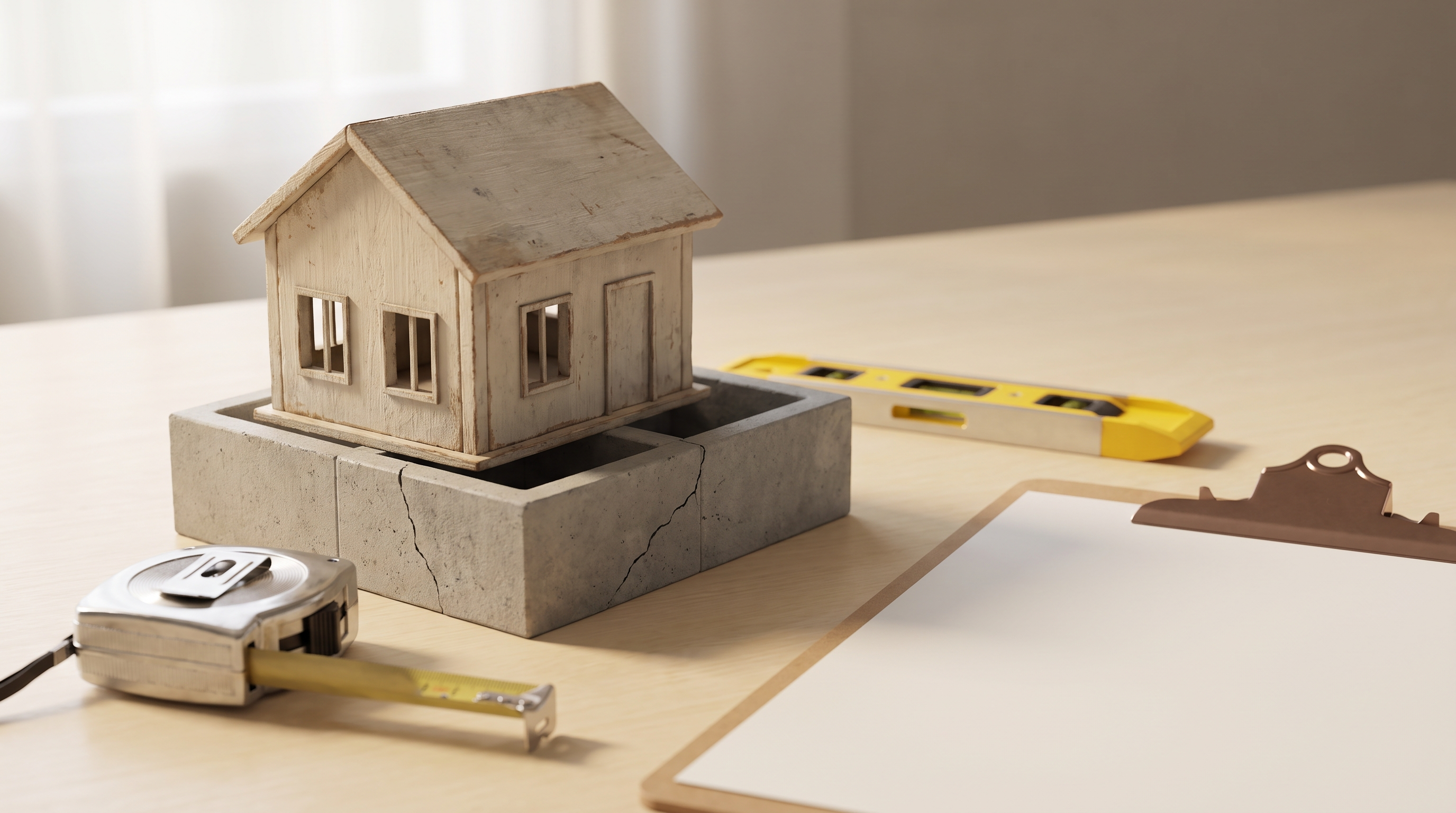
A foundation issue discovered during your Phoenix home inspection can feel like a deal-breaker. But you have options. You can ask the seller to repair it, request a credit toward closing costs, renegotiate the price, or walk away. Arizona's concrete-block construction and intense heat make foundation problems common. Here's how to evaluate your choices and protect your investment.
Understanding Foundation Damage in Phoenix Homes
Phoenix's low humidity and high temperatures cause the soil to expand and contract dramatically. Concrete-block foundations, common in the region, are vulnerable to cracking and settling. Inspection reports typically describe damage as hairline cracks, step cracks (stair-step pattern along mortar joints), horizontal cracks, or bowing walls. Not all cracks require repair. Hairline cracks are cosmetic. Wider cracks (1/8 inch or more) or structural signs like doors sticking or floors sloping signal a real problem.
Your inspector's report will note the severity and location. A structural engineer can provide a detailed assessment if the inspector flags concerns. This report becomes your roadmap for negotiation.
Option 1: Ask the Seller to Repair the Foundation
This is the most straightforward request. You ask the seller to hire a contractor to fix the damage before closing. For the seller, it can feel cleaner than haggling over dollars. For you, it transfers the repair risk and outcome to the seller.
The catch: you lose control over the quality and scope of the work. The seller may hire the cheapest contractor or only patch visible cracks. Repairs may not address root causes. In Phoenix, a full foundation repair (helical piers, underpinning, or polyurethane injection) can cost $3,000 to $25,000 or more depending on the home's size and damage extent. The seller may balk at that price and push back.
To make this work, provide the seller with a copy of the inspection report and, if possible, a quote from a reputable local contractor. Be specific about what you want repaired. Many Arizona sellers will resist this option if the cost is steep.
Option 2: Request a Closing-Cost Credit
You ask the seller to credit you a dollar amount at closing. You then hire your own contractor after purchase to repair the foundation on your timeline and terms. This gives you control and flexibility.
The credit amount is negotiable, but it should cover the repair cost plus a cushion for unforeseen issues. If a contractor estimates $8,000 to repair a step-crack pattern, you might ask for a $9,000 or $10,000 credit to account for contingencies. The seller may counter with a lower offer. You meet in the middle.
This option also protects you if the actual repair ends up costing more than expected. You hired the contractor, so you can negotiate scope changes or upgrades. However, the credit reduces your closing-cost financing and increases your out-of-pocket cash at closing.
Option 3: Renegotiate the Purchase Price
Instead of a credit or repair, you ask the seller to lower the sale price. If the home was appraised at $400,000 and the foundation repair will cost $10,000, you might ask the seller to drop the price to $390,000. You then pay cash for the repair after closing using your own funds or financing.
This option spreads the cost over time if you finance the repair. It also may improve your loan-to-value ratio, which can lower your mortgage rate. However, it locks the price reduction into your home's value permanently. If you sell later, the foundation repair history may still weigh on buyer perception, even if the work is complete.
Option 4: Walk Away
If the foundation damage is severe, the cost is prohibitive, or the seller refuses to negotiate, you can terminate the contract. Arizona purchase contracts include a home inspection contingency. If the inspection reveals defects, you can ask for repairs or credits. If the parties can't agree, you can cancel and get your earnest money back.
Walking away is emotionally hard, but it's the right move if the repair cost exceeds your budget or if structural damage suggests deeper problems. Phoenix foundations can require ongoing maintenance. A severely damaged foundation may cost $15,000 to $30,000 or more to stabilize, and it signals potential future issues.
What Arizona Sellers Typically Accept
In a competitive Phoenix market, sellers often resist foundation-repair demands. They may counter by offering a small credit (25 percent to 50 percent of the estimated repair cost) and asking you to accept the home as-is for remaining issues. This is a negotiation. Your leverage depends on how many other offers the seller has and the home's condition overall.
A worked example: You're buying a 1970s Gilbert home listed at $350,000. The inspection reveals a 3/8-inch horizontal crack on the north foundation wall. A local contractor estimates $6,000 to inject polyurethane sealant and monitor the crack for one year. You ask the seller for a $7,000 closing-cost credit. The seller counters with $3,500. You agree to $5,000. You hire the contractor after closing and complete the repair within two months.
How to Navigate the Negotiation
Stay calm and factual. Your home inspector's report and a contractor's quote are your evidence. Don't exaggerate the damage or use emotional language. The seller is more likely to engage if you present numbers and professional assessments.
Understand the seller's position. They may have owned the home for 20 years without major repairs, so they may genuinely believe the foundation is stable. Or they may know repair is costly and are hoping you won't push. Either way, be prepared for pushback.
Know your walk-away point. Before you make an offer, decide what foundation damage you can tolerate and what repair cost you can absorb. If the actual repair exceeds that threshold, be ready to terminate. Your real estate agent can help you set realistic expectations based on local market conditions.
Get a structural engineer's report if the damage is unclear. A $300 to $500 engineering evaluation can clarify whether the crack is cosmetic or structural. This report carries weight in negotiation and protects you legally if you later discover the seller knew about the damage.
Arizona-Specific Considerations
Arizona has no state real estate transfer tax, so closing costs are lower than many states. This means a closing-cost credit goes further. A $5,000 credit is meaningful and often within reach in negotiation.
Title insurance is standard. In Maricopa County, the seller typically pays for the owner's policy. The buyer pays for the lender's policy (roughly 0.35 percent of the home price). These costs are separate from foundation repair negotiations, but they affect your total closing-cost picture.
Arizona's intense sun and dry climate mean foundations are at constant risk of settling and cracking. Any home in the Phoenix metro area, especially older construction (pre-1990), should be inspected by a structural professional if cracks are found. Don't assume an old crack is stable.
People Also Ask
Can I get my earnest money back if I walk away over foundation damage?
Yes, if your purchase contract includes a home inspection contingency (most Arizona AAR contracts do). You can terminate the contract without penalty if the inspection reveals defects and the seller won't repair or negotiate. Your earnest money is refunded to you. Review your contract's inspection contingency language and response deadlines with your agent.
How much does it cost to repair a cracked foundation in Arizona?
Costs vary widely. Hairline cracks need no repair. Minor cracks (1/8 inch to 1/4 inch) sealed with epoxy or polyurethane run $1,000 to $4,000. Larger cracks or step cracks may require helical piers or underpinning, which can cost $5,000 to $25,000 or more. Get quotes from at least two licensed Arizona contractors to know the true cost for your home.
Should I ask for a full foundation inspection before making an offer?
No. A full structural or foundation inspection before offer is rare and costly. Wait for the home inspection during the contingency period. If the inspector flags foundation concerns, you can then request a structural engineer's evaluation. This protects you financially while preserving your ability to walk away if repair is too expensive.
Bottom Line
Foundation damage in a Phoenix home doesn't automatically kill the deal. You have negotiating power. Request a repair, a credit, or a price reduction. Use professional inspection and engineering reports to back your position. If the seller won't budge and repair costs are too high, walk away. Your Phoenix real estate agent can guide you through each option and help you negotiate a fair outcome based on the home's actual condition and your budget. Reach out to discuss your inspection findings and next steps.
Search homes for sale in Phoenix →

Ryan Melville
| SoldPHX - Ryan Melville at Keller Williams Realty Phoenix
or another way