
Categories
Home Buying TipsPublished June 8, 2026
Should I move to East Valley or West Valley in Phoenix Metro?

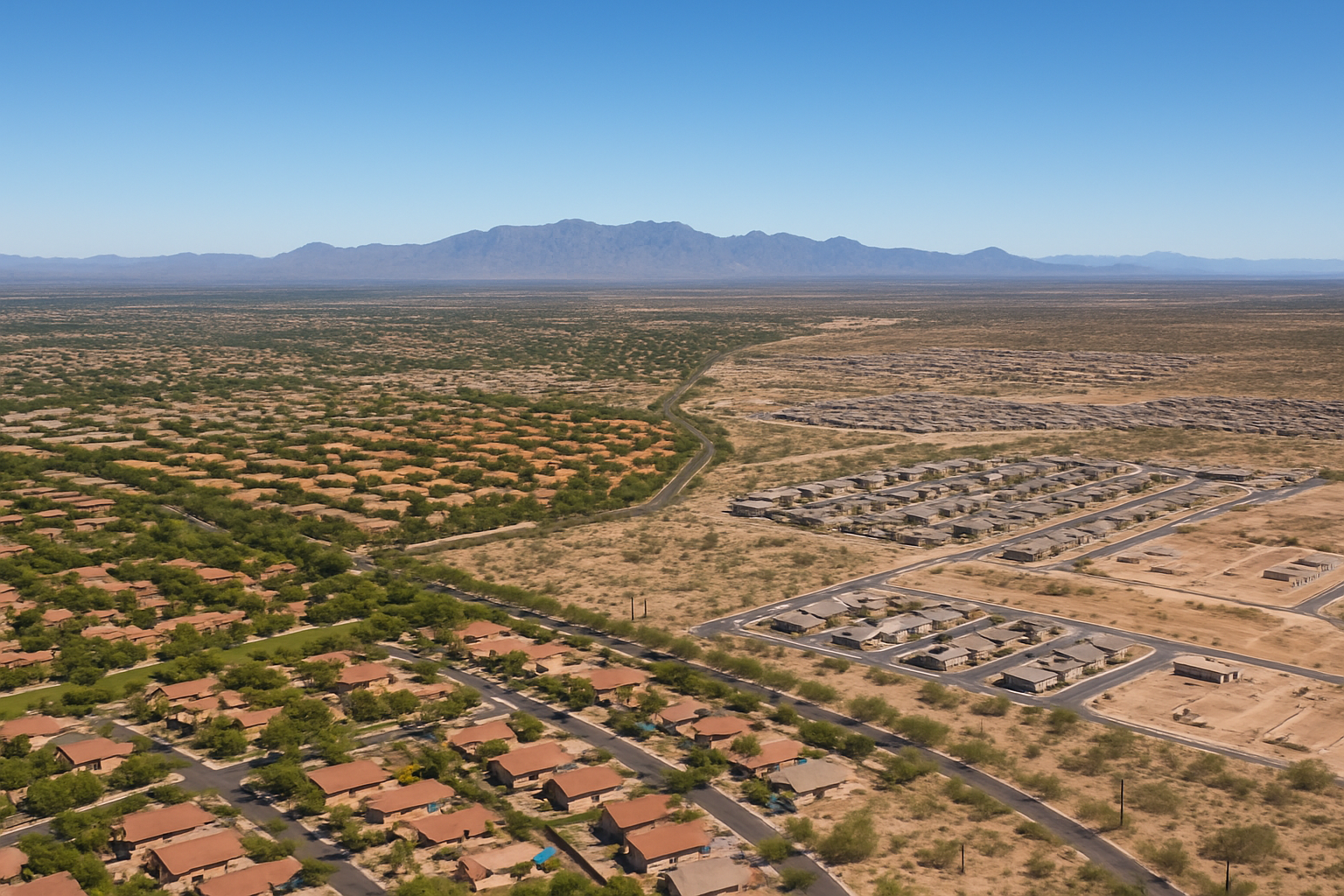
East Valley offers higher home prices, top-rated schools, and established master-planned communities like Chandler and Gilbert. West Valley delivers more affordable housing, rapid growth, and family-friendly suburbs such as Avondale and Surprise. Your choice depends on budget, commute, and lifestyle priorities.
What's the price difference between East Valley and West Valley homes?
As of early 2025, median home prices in East Valley markets like Chandler and Gilbert hover between $525,000 and $575,000. West Valley submarkets including Avondale, Surprise, and Buckeye range from $375,000 to $450,000. That's a $100,000 to $150,000 gap for comparable square footage.
You'll find newer construction in both regions, but West Valley inventory skews toward tract homes built after 2010. East Valley offers more variety: renovated 1990s properties, luxury custom builds in power ranch areas, and dense townhome developments near the Loop 202.
Property taxes follow sale price. A $550,000 home in Gilbert runs roughly $5,500 annually (1% effective rate). A $400,000 home in Surprise costs around $4,000 per year. Factor HOA fees separately. Many East Valley master-planned communities charge $100 to $300 monthly. West Valley HOAs typically run $50 to $150.
How do schools compare between East and West Valley?
East Valley school districts consistently rank higher on state assessments. Chandler Unified, Gilbert Public Schools, and Queen Creek Unified earn strong marks for test scores and extracurriculars. Many families relocate to these areas specifically for access to blue-ribbon elementary and high schools.
West Valley districts are improving rapidly. Surprise and Avondale have invested in new campuses and STEM programs over the past decade. You'll find quality schools in pockets, but overall district performance trails the East Valley average. Private and charter school options exist in both regions if public schools don't meet your needs.
Check specific school boundaries before you make an offer. Attendance zones shift frequently as development expands. Your agent can pull current boundary maps during your home search.
What's the commute like from each valley?
East Valley positions you closer to Tempe, Scottsdale, and central Phoenix job hubs. Loop 101, Loop 202, and US 60 connect Chandler and Gilbert to downtown Phoenix in 25 to 40 minutes during off-peak hours. Rush hour adds 15 to 30 minutes.
West Valley commutes stretch longer if you work east. Surprise to Tempe can hit 50 minutes in light traffic, 75-plus during morning and evening peaks. The Loop 303 serves as the primary north-south artery, but it doesn't extend as far east as the 101. If your job sits in Glendale, Peoria, or north Phoenix, West Valley cuts your drive time significantly.
Remote workers gain flexibility. West Valley's lower cost per square foot lets you buy more space for a home office without sacrificing yard size or garage bays.
Which valley offers better lifestyle amenities?
East Valley delivers mature infrastructure. You'll find established shopping centers, diverse restaurant scenes, and entertainment options like Chandler Fashion Center or SanTan Village. Proximity to Tempe Town Lake, Scottsdale's arts district, and ASU events adds cultural variety.
West Valley growth means newer retail and dining, but fewer independent businesses. Big-box chains dominate. Surprise Stadium hosts spring training baseball. Westgate Entertainment District in Glendale anchors the region with Desert Diamond Arena and State Farm Stadium.
Outdoor recreation favors neither side. Both valleys provide desert preserves, golf courses, and mountain parks. White Tank Mountains sit west, while Superstition Wilderness lies east. Drive times to hiking trailheads balance out depending on your exact neighborhood.
Real Phoenix Metro example: Chandler vs. Avondale
A buyer with a $2,500 monthly housing budget shops both valleys. In Chandler, that budget covers a $475,000 home (20% down, 7% interest rate, taxes, insurance, and $150 HOA). You get a 2,100-square-foot home built in 2015 with three bedrooms, community pool access, and walking distance to Hamilton High School District.
In Avondale, the same monthly payment unlocks a $425,000 property. You secure 2,400 square feet, four bedrooms, a 2020 build, and a larger backyard. Your HOA drops to $75. Schools rank lower on state reports, and your commute to Tempe extends by 20 minutes each way.
Both options work. The Chandler buyer prioritizes resale value and school reputation. The Avondale buyer values space and keeping more cash for savings or lifestyle spending.
People also ask
Is West Valley safer than East Valley?
Crime rates vary by specific neighborhood, not entire valley. Gated communities in both regions report low property crime. Check city-level FBI data and ask your agent for neighborhood crime maps. Newer master-planned areas in Surprise and Buckeye track similarly to established Gilbert and Chandler subdivisions.
Does East Valley have better resale value?
Historically, yes. East Valley homes appreciate faster due to stronger school districts and proximity to job centers. West Valley properties gain equity as infrastructure matures, but the gap persists. If you plan to sell within five years, East Valley typically delivers higher percentage gains. Longer timelines reduce the difference as West Valley development catches up.
Which valley is better for retirees?
Both work well. Sun Lakes and Sun City offer East and West Valley 55-plus communities respectively. West Valley's lower cost basis stretches fixed incomes further. East Valley provides shorter drives to major medical centers like Chandler Regional and Banner facilities. Consider proximity to family, healthcare needs, and activity preferences over raw geography.
Bottom line
East Valley suits buyers who prioritize schools, resale value, and shorter commutes to central Phoenix jobs. You'll pay more upfront and accept smaller lots in many cases. West Valley rewards budget-conscious buyers seeking newer construction, more square footage, and room to grow as infrastructure expands.
Tour neighborhoods in both regions before you decide. School ratings, commute times, and amenity access matter more than arbitrary valley labels. A Phoenix-area agent can show you comparable properties across submarkets and help you run the numbers. Reach out when you're ready to explore your options.
|


or another way