
Categories
SellersPublished June 15, 2026
How Long Does It Take to Sell a House in Phoenix Metro?

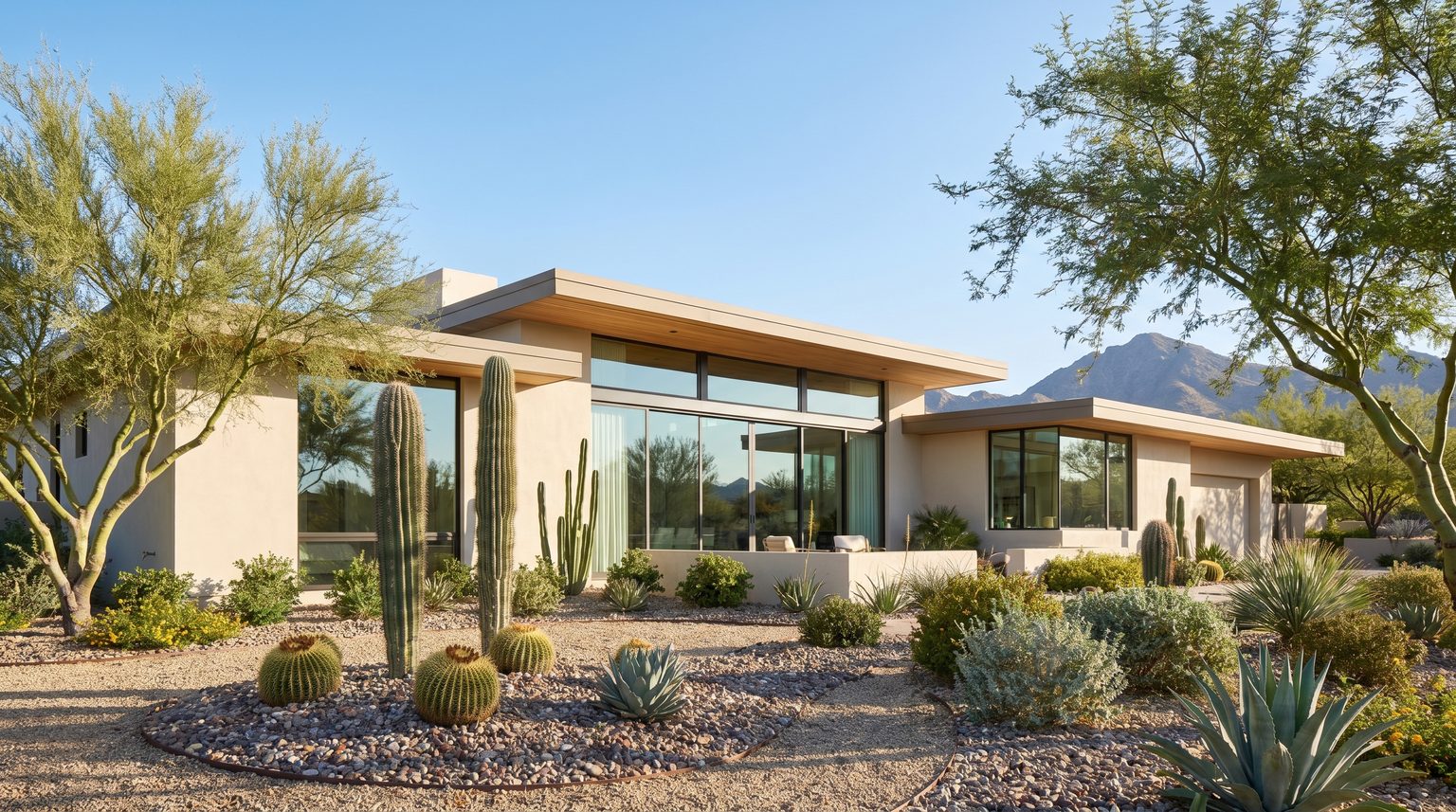
As of early 2026, the average home in Phoenix Metro takes about 83 days to sell from listing to close. This timeline can vary from 60 to 120+ days depending on price point, condition, location, and how well you prepare before you list.
If you're planning to sell in the Phoenix area, understanding what drives these timelines helps you set realistic expectations and avoid costly delays.
What the Current Market Data Shows
Phoenix Metro real estate moves at different speeds depending on which submarket you're in and what price range you're selling. The current average of 83 days on market reflects a balanced market where buyers have choices but sellers who price correctly and prepare well still move quickly.
According to ARMLS data, homes priced under $400,000 in areas like Chandler and Gilbert tend to sell faster, often in 60 to 75 days. Move-in-ready, well-priced homes in Queen Creek or Ahwatukee can see offers within the first two weeks.
Luxury homes over $800,000 in North Scottsdale or Paradise Valley typically take longer, averaging 100 to 150 days. These buyers take more time to decide, and the pool of qualified buyers is smaller.
Homes that need significant repairs or updates can sit for 120 days or more, especially if they're priced as if they're turnkey. Buyers in 2026 expect move-in condition or a price adjustment that reflects the work needed.
The Four Phases of Selling a Home
The 83-day average breaks down into four distinct phases. Understanding each one helps you plan your move and avoid surprises.
Prep and listing (7 to 14 days): Before your home hits the MLS, you'll spend time on repairs, staging, professional photos, and final pricing strategy with your agent. Sellers who skip this phase often add weeks to their total timeline because they have to make changes after getting no traction.
Active marketing to offer (14 to 45 days): Once live, most showings happen in the first two weeks. In a balanced market, expect an accepted offer within 30 days if priced right. Homes that sit longer than 45 days usually need a price reduction or condition updates.
Under contract to appraisal and inspection (21 to 30 days): Arizona's standard purchase contract allows 10 days for buyer inspection and appraisal ordering. The appraisal itself takes 7 to 14 days to complete. Buyers then have time to request repairs or renegotiate based on findings. This is where deals can stall if your home has hidden issues or appraises low.
Clear to close and funding (7 to 14 days): After all contingencies are removed, the lender finalizes underwriting and the title company prepares closing documents. Cash buyers can close faster, sometimes in 10 days total from offer to keys.
What Slows Down Your Sale in Phoenix
Certain factors consistently add time to the selling process in the Phoenix Metro market. Avoiding these common traps can shave weeks off your timeline.
Overpricing kills momentum. Homes priced 5% or more above comparable sales get fewer showings and sit longer. When you eventually drop the price, the home looks stale and buyers wonder what's wrong with it. Price it right from day one based on recent closed sales, not what you hope to get.
Deferred maintenance shows up immediately during inspections. A 15-year-old HVAC system in Phoenix is living on borrowed time. Buyers will either ask for a credit, request replacement, or walk away. Address major systems and obvious repairs before listing.
Limited showing availability frustrates buyers and their agents. If your home is only available for showings on weekday afternoons, you'll miss dual-income buyers who tour on weekends. Make your home as accessible as possible during the first 30 days.
Title issues surface during escrow and can delay closing by weeks. If you inherited the property, went through a divorce, or have outstanding liens, work with a title company before listing to clear any clouds on title.
Worked Phoenix Example
Let's say you're selling a 3-bedroom, 2-bath home in Tempe near the 60 freeway. The home is 20 years old, 1,650 square feet, and comparable sales in your subdivision have closed between $425,000 and $445,000 in the past 90 days.
You spend 10 days before listing replacing the garage door opener, repainting the front door, and deep cleaning. Your agent orders photos and you list at $439,900 based on comps. You go live on a Thursday.
By the following Sunday, you've had 12 showings. On day 9, you receive two offers. One is $435,000 cash with a 14-day close and no inspection. The other is $442,000 conventional with standard inspection and appraisal contingencies, 30-day close. You accept the conventional offer because the extra $7,000 covers your moving costs and the buyer is well-qualified.
The inspection happens on day 18. The buyer asks for a $2,000 credit for minor roof repairs and HVAC servicing. You agree to $1,500. The appraisal comes back at $443,000 on day 25. Clear to close happens on day 45, and you hand over keys on day 52 from your original listing date.
This timeline is faster than the 83-day average because you prepped well, priced at market, and had no title issues. If you had listed at $459,000 hoping for room to negotiate, you likely would have sat for 45+ days with no offers and then dropped the price twice, pushing your total timeline past 100 days.
How Agent Commission Changes Affect Timelines
Since the August 17, 2024 NAR settlement, buyer-agent commission is no longer advertised on the MLS and is fully negotiable. This has created some friction in the transaction process that can add days to your sale.
Sellers now decide whether to offer compensation to buyer agents and at what rate. Many Phoenix sellers still offer 2.5% to 3% to attract buyer agents, but it's negotiated in the purchase contract, not promised upfront.
Some buyers now pay their own agent directly, which can slow down financing approval if the buyer didn't budget for that cost. Your listing agent should discuss commission strategy upfront so you don't lose qualified buyers over commission confusion.
This change hasn't dramatically shifted average days on market yet, but it has added complexity to negotiations that can extend the under-contract phase by a few days if not handled clearly from the start.
People Also Ask
What's the fastest way to sell a house in Phoenix?
Price at or slightly below market value based on recent closed comps, make the home show-ready with fresh paint and clean landscaping, and allow maximum showing availability in the first two weeks. Homes priced aggressively and in great condition often receive multiple offers within 10 days. Cash buyers and iBuyers can close in as little as 7 to 14 days if you're willing to accept a lower price for speed.
Does selling in winter take longer in Phoenix?
Not necessarily. Phoenix is a year-round market, but January through March sees the highest buyer activity because of snowbird season and seasonal relocation demand ahead of the school year. Summer can be slightly slower due to heat and vacation schedules, but well-priced homes still sell. The bigger factor is condition and price, not season.
How does days on market affect my sale price?
Homes that sell in the first 30 days typically sell closer to asking price. After 45 days, buyers assume something is wrong and submit lower offers. After 90 days, you're often looking at 5% to 10% under your original list price unless you've already made reductions. Fresh listings get the most attention and the best offers in any market.
Bottom Line
Selling a home in Phoenix Metro takes an average of 83 days in early 2026, but your actual timeline depends on how you prepare, price, and respond to market feedback. Homes that show well and price at market move faster and net more money.
If you want a realistic timeline and pricing strategy for your specific Phoenix-area home, talk to a local agent who knows your submarket and has recent closed sales data. The right preparation and pricing can cut weeks off your sale and put more money in your pocket at closing.
What is your Phoenix home worth? Get a free home value report →

Ryan Melville
| SoldPHX - Ryan Melville at Keller Williams Realty Phoenix
or another way