
Categories
New ConstructionPublished July 4, 2026
How Do I Protect My New Construction Deal in Arizona?

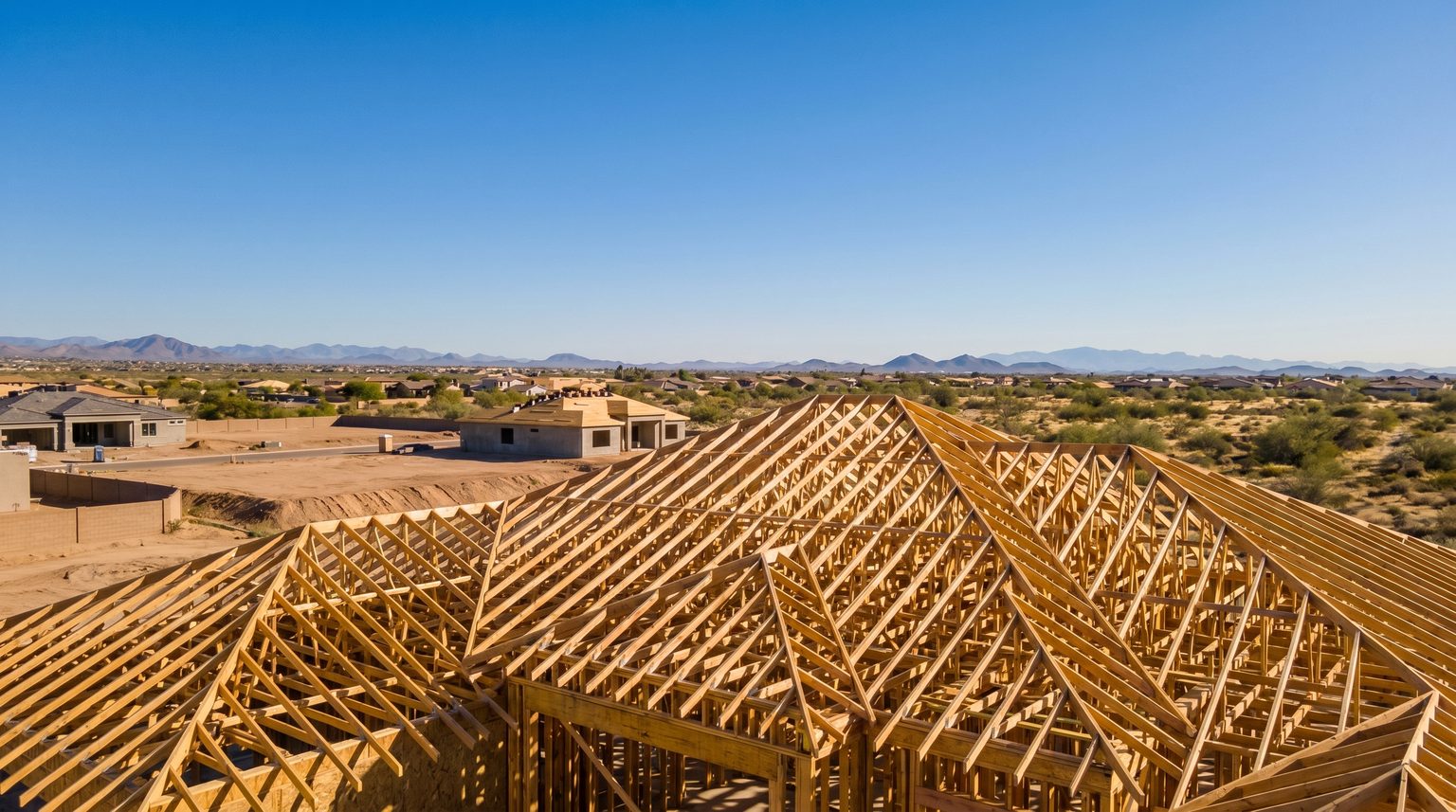
Protecting your new construction deal in Arizona means scrutinizing the builder's contract, locking in price and finish terms, scheduling your own inspections, and verifying the home is complete before you close. Arizona law gives you limited buyer protections on new builds compared to resale transactions, so you must negotiate contract terms upfront and hire your own representation.
Here's how to safeguard your money and your timeline when buying new construction in the Phoenix Metro.
Hire Your Own Buyer's Agent
The on-site sales agent works for the builder, not you. Their job is to sell inventory and protect the builder's interests. You need a buyer's agent who represents you exclusively and knows Arizona new-construction contracts.
Your agent negotiates on your behalf, reviews the purchase agreement for red flags, and coordinates inspections. Under the August 2024 NAR settlement rules, buyer-agent commission is negotiable and no longer advertised on the MLS. In new construction, the builder typically offers a commission to buyer agents, but it's not guaranteed. Confirm this in writing before you tour model homes.
If you tour without representation, the builder may refuse to work with an agent you bring in later or reduce their commission offer. Bring your agent to the first visit.
Read the Purchase Agreement Line by Line
Arizona builders use their own contracts, not the standard Arizona Association of Realtors residential purchase contract. These agreements heavily favor the builder. Watch for these red flags:
- No contingencies: Many builder contracts have no financing, appraisal, or inspection contingencies. You waive the right to walk away without losing your deposit.
- Vague timelines: Phrases like "substantial completion" or "estimated closing date" give the builder wiggle room to delay for months without penalty.
- Escalation clauses: Some contracts allow the builder to raise the price if costs increase. Lock your price in writing.
- Design center changes: Upgrades and option changes often come with markups of 30 to 50 percent over retail cost. Get all selections and pricing in writing before you sign addendums.
- Non-refundable deposits: Understand what happens to your earnest money if the builder delays past a hard deadline or if you can't secure financing.
Have a real estate attorney review the contract if your agent flags issues. Spend $500 now to avoid a $50,000 mistake later.
Schedule Independent Inspections
Arizona does not require third-party inspections on new construction. The builder's own inspector signs off on city and county permits, but that inspector works for the builder. You need your own.
Schedule a pre-drywall inspection while framing, plumbing, and electrical are still visible. The inspector checks for code compliance, proper framing, HVAC installation, and plumbing runs. Correcting issues at this stage is cheap. After drywall goes up, fixes cost exponentially more.
Book a final inspection 7 to 10 days before closing. Your inspector will walk the home room by room and document defects. Expect a punch list of 20 to 50 items on a typical new build. Common issues include paint overspray, misaligned doors, HVAC imbalances, and incomplete grading.
Many builder contracts say you accept the home "as-is" at closing. Push back. Negotiate a clause that lets you delay closing until critical items are fixed or hold funds in escrow to cover repairs.
Demand Pre-Closing Walkthroughs
Do your own walkthrough 48 to 72 hours before closing. Bring your agent, your inspector's report, and a checklist. Verify every punch-list item is complete. Test every switch, outlet, faucet, and appliance. Run the HVAC for 20 minutes in each room to check airflow and temperature.
Check the exterior too. Walk the lot line to confirm drainage slopes away from the foundation. Inspect the roof, gutters, and downspouts. Look for construction debris in the yard and drainage channels.
Take photos and videos of anything incomplete or damaged. If the builder says they'll fix it after closing, get it in writing with a firm deadline and hold $5,000 to $10,000 in escrow until it's done. Builders are far less responsive after they have your money.
Verify Appraisal and Title Before Closing
New construction appraisals can come in low, especially in fast-appreciating submarkets like Queen Creek or San Tan Valley where builders are raising prices every release. If your appraisal is under contract price, you'll need to cover the gap in cash or renegotiate with the builder.
Your lender orders the appraisal, but you have the right to review it. If comparables are stale or pulled from the wrong submarket, ask your agent to provide recent closed comps and submit a rebuttal.
Title issues on new builds are rare but not impossible. The builder must deliver clear title, free of mechanic's liens from unpaid subcontractors. In Maricopa County, the seller (builder) pays for the owner's title policy, which covers you if a lien surfaces after closing. Make sure your title company runs a final lien search 24 hours before you close.
Use Escrow Holds for Unfinished Work
If the builder pressures you to close before punch-list items are done, refuse or negotiate an escrow holdback. Here's how it works: you deposit 150 percent of the estimated repair cost into an escrow account controlled by the title company. The builder completes the work within 30 to 60 days, you verify it, and the title company releases the funds.
Example: The builder hasn't finished backyard grading, and you estimate $3,000 to fix it. You hold $4,500 in escrow. If the builder completes the work, they get the money. If they don't, you hire a contractor and pay from the escrow account.
Some builders refuse escrow holds. If that's the case and critical items are incomplete, delay closing. You have more leverage before you sign final documents than after.
Understand Arizona's Statutory Warranties
Arizona requires builders to provide a limited statutory warranty on new construction. It covers structural defects for six years, plumbing and electrical for two years, and other systems for one year. The builder's warranty supplements this but often excludes cosmetic issues and "settling" cracks.
Read the builder's warranty policy before closing. Some exclude HVAC repairs, landscaping, and appliance issues unless you report them within 30 days. Document defects in writing immediately and send them certified mail. Builders use arbitration clauses to avoid lawsuits, so your only recourse for disputes may be binding arbitration.
If you're buying in an HOA community (most new builds in Chandler, Gilbert, and Surprise are), the HOA may have its own dispute process for common-area defects. Ask your agent for the CC&Rs and HOA budget during your due diligence period.
People Also Ask
Can I negotiate the price on new construction in Arizona?
Yes, but it depends on market conditions and inventory levels. If the builder has spec homes sitting or you're buying during a slow season, you may negotiate $5,000 to $15,000 off or get upgrades included. If demand is high, builders typically hold firm on price. Ask your agent to research the builder's recent sales and concessions.
What happens if my builder delays closing in Arizona?
Most Arizona builder contracts include force-majeure clauses that excuse delays for weather, supply-chain issues, or labor shortages. If the delay exceeds the outside closing date in your contract, you may have the right to cancel and get your deposit back, but the builder will fight it. Review your contract's delay and termination provisions with your agent before you sign.
Do I need a real estate attorney for new construction in Arizona?
Arizona doesn't require an attorney for real estate closings, but hiring one to review the builder's purchase agreement is smart. Builder contracts are one-sided and often include clauses that waive your rights to sue or inspect. A real estate attorney charges $500 to $1,000 for a contract review and can negotiate better terms before you commit your deposit.
Bottom Line
Protecting your new construction deal in Arizona requires upfront vigilance. Read every page of the builder's contract, hire your own buyer's agent and inspector, and refuse to close until the home is complete and documented. Arizona law favors builders, so you must negotiate protections into the contract before you sign.
If you're buying new construction in the Phoenix Metro and want an agent who knows how to review builder contracts and fight for your interests, reach out to a local Realtor who specializes in new builds. Your deposit and your peace of mind depend on it.
Search homes for sale in Phoenix →

Ryan Melville
| SoldPHX - Ryan Melville at Keller Williams Realty Phoenix
or another way