
Categories
SellersPublished June 18, 2026
How Do I Price My Home for Sale in Phoenix Metro?

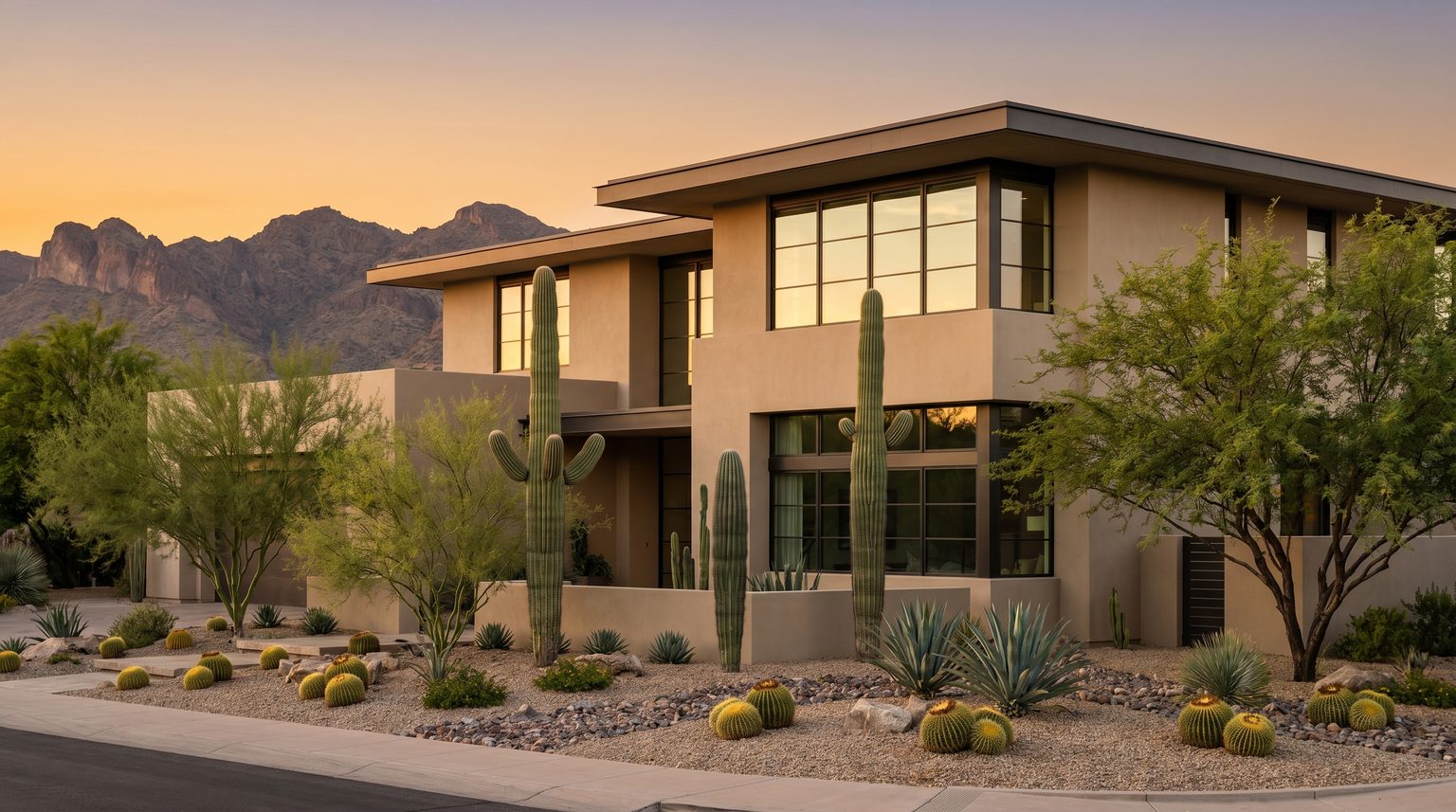
Price your Phoenix Metro home using a comparative market analysis (CMA) that evaluates recent sales of similar properties in your neighborhood, typically within the last 90 days. A proper CMA adjusts for differences in square footage, condition, lot size, and upgrades to arrive at a competitive listing price that balances maximum return with realistic market timing.
Overpricing is the number one mistake Phoenix sellers make. Homes priced 5% to 10% above market value sit longer, accumulate stigma, and ultimately sell for less than they would have at the correct price from day one. Here's how to price strategically.
What a Comparative Market Analysis Actually Measures
A CMA compares your home to three categories of properties in your immediate area. Your agent pulls data from the Arizona Regional MLS (ARMLS) to evaluate comparable homes, active listings, and pending sales.
Sold comparables are the foundation. These are homes that closed in the last 60 to 90 days, ideally within half a mile of your property. They share your home's key characteristics: similar square footage (within 10% to 15%), bedroom and bathroom count, lot size, age, and condition.
Active listings show your current competition. If three homes similar to yours are listed at $450,000, $465,000, and $480,000, pricing at $495,000 pushes you to the bottom of buyer searches and showing lists.
Pending sales reveal where the market is headed right now. A home that went under contract last week reflects buyer sentiment more accurately than a sale that closed 75 days ago.
How to Adjust Comparables for Phoenix Market Conditions
Raw sold prices mean nothing without adjustments. Your agent makes line-item tweaks based on tangible differences between your home and each comparable.
Square footage adjustments in Phoenix Metro typically run $100 to $150 per square foot, depending on submarket. If a comparable home in Ahwatukee sold for $500,000 at 2,200 square feet and your home is 2,400 square feet, you add roughly $20,000 to $30,000 to the baseline.
Lot size matters more in some Phoenix submarkets than others. A quarter-acre lot in Gilbert adds value. A quarter-acre in a dense Scottsdale neighborhood may not move the needle. Your agent adjusts based on local norms.
Condition and upgrades require honest assessment. A kitchen remodel completed in 2023 with quartz counters, soft-close cabinets, and stainless appliances adds $15,000 to $25,000 in most Phoenix neighborhoods. A 1990s kitchen with laminate and builder-grade oak pulls value down by a similar amount.
Pool and outdoor living spaces are standard in Phoenix, but quality varies. A dated pebble-tec pool with basic decking is neutral. A resort-style pool with built-in barbecue, covered patio, and travertine pavers adds $30,000 to $50,000 in communities like Sun Lakes or Queen Creek.
Why Overpricing Costs You More Than Time
Homes generate the most showings in the first two weeks on market. Price too high and you miss that window. Buyers and their agents see your home, run their own comparisons, and move on to better-value options.
After 30 days on market, your listing accumulates stigma. Buyers wonder what's wrong. Even when you drop the price to fair market value at day 45, you've lost momentum and negotiating leverage.
Here's a real Phoenix example. A 1,850-square-foot home in Chandler with three bedrooms, two bathrooms, and a standard pool listed at $485,000 in March 2025. Comparable sales in the same subdivision closed between $440,000 and $455,000 in the prior 90 days. The home sat for 62 days, dropped to $459,000, and finally closed at $447,000 after the buyer negotiated a $3,500 seller credit for repairs.
Pricing at $455,000 from the start would have generated multiple offers in week one and likely closed at $460,000 to $465,000 with fewer concessions.
How to Factor in Current Phoenix Market Trends
Phoenix Metro inventory levels and days on market shift monthly. Your pricing strategy adjusts accordingly.
In a strong seller's market with under three months of inventory and average days on market below 30, you can test the high end of your CMA range. If comparables suggest $375,000 to $390,000, listing at $389,900 makes sense.
In a balanced or buyer-leaning market with four to six months of inventory and average days on market above 45, you price at or slightly below the center of your range. That same home prices at $379,900 to capture immediate attention and early showings.
Seasonal patterns matter in Phoenix. January through April sees the highest buyer activity as snowbirds and relocating families compete for inventory. Pricing aggressively during this window works. June through August slows down due to heat and fewer relocations. Conservative pricing keeps your home competitive when fewer buyers are shopping.
What Role Your Agent Plays in Pricing Accuracy
A skilled Phoenix agent does more than pull ARMLS data. They walk your home room by room, note condition and upgrades, and compare finished quality to recent sales they've toured personally.
Your agent knows which features buyers in your submarket prioritize. North Scottsdale buyers expect resort-style backyards and premium finishes. Queen Creek buyers value space and lot size over high-end appliances. Pricing adjustments reflect these local preferences.
After the August 17, 2024 NAR settlement, buyer-agent compensation is no longer advertised on the MLS and is fully negotiable. Your agent discusses how offering competitive compensation affects showings and buyer interest, especially in price-sensitive markets. This is now a separate pricing conversation, not baked into the list price.
How to Handle Appraisal Risk in Your Pricing
Buyers using financing need an appraisal that supports your sale price. If you price at $510,000 and the appraisal comes in at $495,000, the buyer must cover the $15,000 gap in cash or you renegotiate.
Your CMA protects you here. Appraisers use the same sold comparables your agent used. Pricing within the supported range based on closed sales nearly eliminates appraisal risk.
If you're tempted to test a higher price, understand that you're betting the appraiser will find justification your agent didn't. That rarely happens in Phoenix Metro, where appraisers apply conservative adjustments and rely heavily on recent closed sales.
People Also Ask
Should I price my Phoenix home just under a round number?
Yes. Pricing at $399,900 instead of $400,000 captures more buyer search results and psychologically feels lower. Online search tools often use $25,000 or $50,000 brackets, so ending at $399,900 or $449,900 puts you at the top of a lower bracket rather than the bottom of a higher one.
How often should I adjust my price if my home isn't selling?
If you receive fewer than three showings in the first two weeks, your price is likely too high. Make a meaningful reduction of at least 3% to 5% to reset buyer and agent perception. Small $2,000 to $5,000 drops signal desperation without moving the needle on search results or buyer interest.
Do I need to pay for an independent appraisal before listing in Phoenix?
No. A pre-listing appraisal costs $400 to $600 and provides no marketing advantage. Buyers trust their own appraiser, and your CMA already delivers the same data at no cost. Save the appraisal fee for staging or minor repairs that increase showing appeal.
Bottom Line
Pricing your Phoenix Metro home correctly from day one requires a thorough CMA, honest condition assessment, and awareness of current market dynamics. Overpricing costs you time, money, and negotiating power. A local agent who knows your submarket and has toured recent comparables ensures your price reflects real buyer behavior, not wishful thinking.
If you're ready to price strategically and sell efficiently in the Phoenix Metro area, talk to an experienced local agent who understands your neighborhood and current market conditions.
What is your Phoenix home worth? Get a free home value report →

Ryan Melville
| SoldPHX - Ryan Melville at Keller Williams Realty Phoenix
or another way