
Categories
Arizona Real Estate AdvicePublished September 4, 2026
Do You Need a Pool Permit in Arizona? Phoenix Metro Rules Explained.

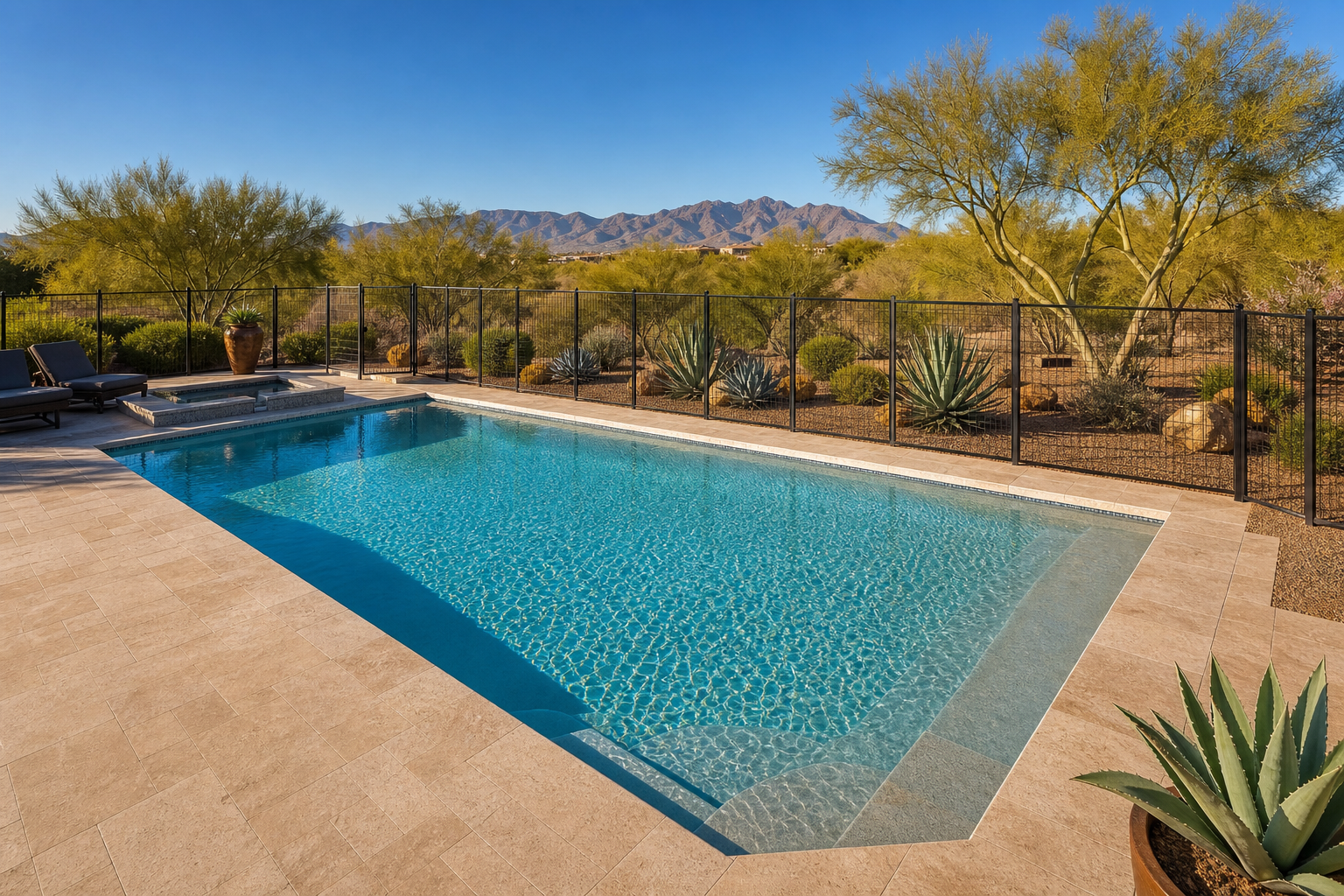
Yes, you need a pool permit in Arizona. But the rules vary by city in the Phoenix Metro area. If you're buying or selling a home with a pool, understanding your local requirements matters. It affects inspections, insurance, resale value, and your wallet.
Pool Permits in Arizona: The Basics
Arizona law requires residential pools to be permitted and inspected. The state sets safety standards, but individual cities enforce them. Your city or county decides what paperwork you file, how much it costs, and how often inspectors check your work.
If a pool was built without a permit, it's considered non-compliant. That creates problems when you sell. Buyers' lenders may refuse to close. You might have to demolish the pool or get it retroactively permitted, which is expensive and time-consuming.
Permit Requirements by City
Phoenix, Chandler, Gilbert, Scottsdale, Tempe, Mesa, and smaller towns each have their own rules. Some require a separate pool permit. Others bundle it into a general building permit. Some cities charge more. Some have faster turnaround.
Example: In Chandler, a residential pool permit covers the pool shell, deck, fencing, and equipment. You'll need a plot plan, electrical plans if applicable, and proof of property ownership. The city inspects the excavation, the shell, and the final installation. Fees typically run $400 to $800, depending on pool size.
In Phoenix, the process is similar but costs and timelines may differ. Always check with your city's planning or building department before you start.
Why Permits and Inspections Matter
Permits ensure pools meet safety codes. That means proper fencing, electrical grounding, drain covers, and structural integrity. Inspections catch problems early, when they're cheaper to fix.
For buyers, an unpermitted pool is a red flag. It signals the seller cut corners. The property may be harder to insure or finance. You could inherit liability if someone gets hurt.
For sellers, a permitted pool proves the work was done right. It boosts buyer confidence and protects you from lawsuits after closing.
Renovations and Upgrades
If you're renovating an existing pool or upgrading equipment, you likely need a permit too. Adding a water feature, resurfacing, or replacing a pump may all require city approval, depending on the scope.
Don't assume an old pool is grandfathered in. Many cities require unpermitted pools to be brought up to code before sale or major work. Check with your city before you invest in upgrades.
Homeowners Insurance and Pools
Most homeowners insurance covers a permitted, properly fenced pool. An unpermitted pool may be denied coverage or result in higher premiums. Some insurers won't insure a home with an unpermitted pool at all.
When you apply for insurance, disclose the pool and its permit status. Hiding it could void your coverage if someone is injured.
Selling a Home With a Pool
Buyers and their lenders will ask about the pool permit. If you can't produce it, expect pushback. The buyer's inspector will note it. The lender may refuse to fund the loan until the pool is permitted or removed.
If your pool lacks a permit, contact your city about the options. Some cities allow retroactive permits if the pool meets current code. Others require removal. Do this early so you know what you're facing before listing.
People Also Ask
How much does a pool permit cost in Arizona?
Costs vary by city. Expect $300 to $1,000 for a residential pool permit in the Phoenix Metro area. Larger pools, extra features, or more complex electrical work can cost more. Some cities charge based on pool size or square footage of the deck. Call your city's building department for an exact quote.
Can I build a pool without a permit in Arizona?
Technically, yes, but it's a bad idea. You'll face fines, liens, and problems selling or refinancing. Buyers' lenders will catch it. Your insurance may not cover accidents. The cost to fix it later far exceeds the permit cost upfront. Get the permit first.
What happens if I buy a house with an unpermitted pool?
Your lender may refuse to close until it's permitted or removed. Your insurance may deny a claim if someone is injured. You could be liable for code violations. Talk to a real estate attorney and your lender right away. Some sellers will permit it or credit you the cost. Negotiate before you sign.
Bottom Line
Pool permits are required across the Phoenix Metro area, but the details depend on your city. If you're buying or selling a pool home, ask for the permit and inspection records. If they're missing, find out why and what it will cost to fix.
Questions about pools, permits, or your home's compliance? A Phoenix-area real estate agent can guide you through local rules and connect you with the right contractors and inspectors. Reach out to discuss your specific situation and needs and budget.
Search homes for sale in Phoenix →

Ryan Melville
| SoldPHX - Ryan Melville at Keller Williams Realty Phoenix
or another way