
Categories
SellersPublished September 17, 2026
Can you sell your Phoenix home during a divorce in Arizona?

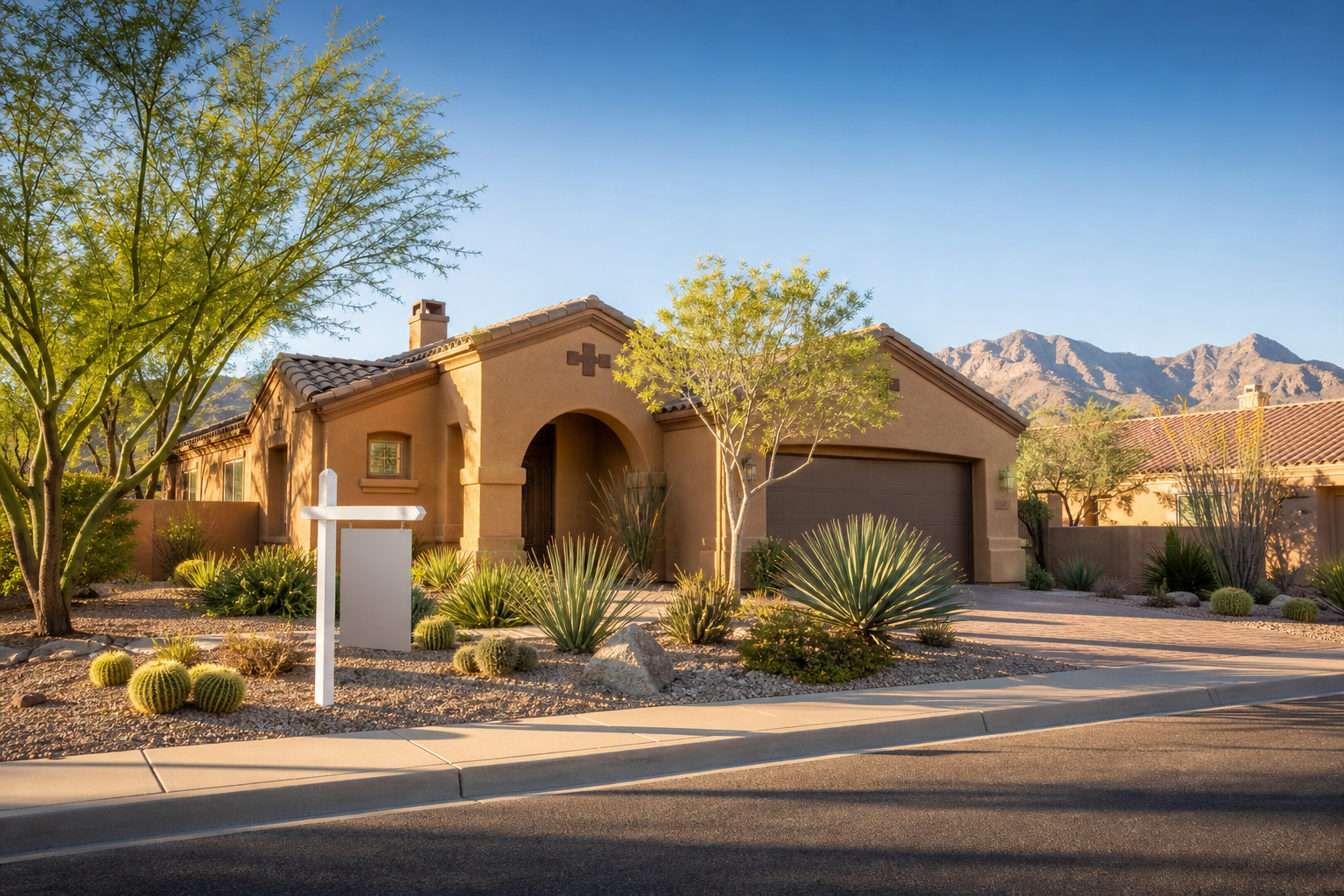
Yes, you can sell your Phoenix home during a divorce in Arizona. You need either both spouses' written consent or the court's permission. You do not need a judge's approval if you both agree to sell. Once a divorce petition is filed and served, Arizona law (A.R.S. § 25-315) bars either spouse from selling community property without one of those two things. Arizona is a community-property state, so a home acquired during the marriage is usually owned 50-50 no matter whose name is on the deed. Timing, local real estate law, and communication with your spouse's attorney matter a lot.
Arizona Community Property and Marital Homes
In Arizona, property bought during the marriage generally belongs equally to both spouses, regardless of whose name is on the deed. This includes your home, rental properties, and land. A prenuptial or postnuptial agreement can change this, but absent one, the court will treat your home as community property to be divided at divorce.
This means you need both spouses' written consent to list and sell, or the court's permission. The two are alternatives, not steps. You only need a judge involved if your spouse will not consent, or if an existing order restricts the sale. The rule comes from A.R.S. § 25-315, the preliminary injunction the court issues when a divorce petition is filed. It bars both spouses from selling community property without the written consent of the parties or the permission of the court, and it stays in force until the decree is entered or the case is dismissed. Before anyone files a petition, that injunction does not exist, and jointly titled owners sign like any other co-owners. Either way, your title company will not close without proof of authority from both parties or a judge.
Getting Permission to Sell: Consent or a Court Order
Your divorce attorney files a motion with the Maricopa County (or other local) family court requesting permission to sell the marital home. The motion typically includes:
- A brief statement of why a sale is needed (financial hardship, need to divide assets, maintenance burden).
- The estimated net proceeds after mortgage, taxes, and realtor commission.
- Proof of listing price and comparable sales in your Phoenix neighborhood.
- A proposed division of the sale proceeds, or a request that the court decide.
If both spouses agree to sell and the terms of division, the court usually approves within weeks. If the other spouse objects, the judge may hold a hearing. Courts favor sales if they reduce ongoing costs (mortgage interest, property taxes, HOA fees) and prevent one spouse from forcing the other to pay maintenance indefinitely.
Timing: Before, During, or After the Divorce is Finalized
You can sell a marital home at any stage:
- Before the final decree: Sell during the divorce process. This is common if both spouses need cash or want to avoid ongoing financial entanglement.
- As part of the settlement: The divorce agreement specifies the home is to be listed and sold within a set timeframe (e.g., 90 days). The proceeds are divided per the agreement.
- After the final decree: If the home is awarded to one spouse in the settlement, that person owns it outright and can sell without the other's consent. If the decree states the home is to be sold and proceeds divided, either spouse can enforce that order.
Most divorces that involve a home sale close the sale before or immediately after the divorce is final. This avoids years of one spouse holding title and the other holding a financial interest.
Mortgage and Title Complications
Both spouses are likely liable on the mortgage, even if one is ordered to pay it. The lender will not release the loan just because a divorce is finalized. Here is what usually happens:
- The home is sold.
- Proceeds go to escrow.
- The mortgage and any liens are paid off.
- Remaining proceeds are divided per the divorce agreement or court order.
The title company or escrow agent requires a copy of the court order or both spouses' signatures (via deed and power of attorney) to close. If one spouse refuses to sign or dragging feet, the sale stalls. Your attorney can seek contempt charges, but this adds time and cost.
Real Costs During Divorce Home Sales in Phoenix
A typical Phoenix divorce home sale involves real-world numbers. Suppose you own a home in Ahwatukee worth $475,000, with a $350,000 mortgage at 6% interest.
- Sale price (after realtor commission, ~5-6%): Gross proceeds $447,000 to $451,000.
- Realtor commission: ~$24,000-$28,500 (negotiable; the buyer's agent is not automatically paid by the seller under the August 2024 NAR settlement). Discuss commission upfront with a Phoenix agent.
- Payoff (mortgage + interest accrual): ~$352,000 to $355,000.
- Title insurance and closing costs: ~$2,000-$3,500 (seller typically pays owner's title insurance in Maricopa County, ~0.35% of sale price; buyer pays lender's policy).
- Prorated taxes and HOA (if any): ~$1,000-$2,000.
- Net to divide: ~$90,000-$95,000, split 50-50 = ~$45,000-$47,500 per spouse.
Arizona has no state real estate transfer tax, which helps. However, property taxes and lender payoff eat into proceeds fast. If the home is underwater (owe more than it's worth), both spouses may need to contribute cash to close, or the court may order a short sale. Short sales require lender approval and are slower.
Common Mistakes and How to Avoid Them
Listing without consent or a court order. Do not list until you have written consent from both spouses or a court order. A real estate agent in Arizona will ask for proof before marketing.
Agreeing to pay the mortgage alone after the sale. If the divorce decree says you pay the mortgage post-sale to close faster, make sure the loan is refinanced into your name only. Otherwise, your ex can be sued for the debt, and the lender can come after you both.
Not disclosing the divorce to the buyer. You must disclose any liens, judgments, and known defects. A divorce does not trigger a specific disclosure form, but a pending payoff or title issue must be revealed. Work with your title company and attorney to ensure clean title at closing.
Underpricing to rush the sale. One spouse may push a below-market price to close faster. The other spouse can object in court. Price the home fairly and give both spouses a voice in the asking price.
Timing and Arizona Market Conditions
Phoenix home sales typically close in 30-45 days (conventional loans) or 21-30 days (cash offers). During a divorce, add 2-4 weeks for escrow processing, plus another 2-4 weeks if you need a court order instead of your spouse's consent. If there are title issues, a short sale, or disagreement over the price, closing can stretch to 60-90 days or longer.
Arizona courts understand real estate moves fast. Most judges will prioritize divorce-related home sales to avoid holding up the final decree. If you do need the court's permission, do not assume it will come quickly. File the motion early and keep your attorney informed of any listing activity or buyer interest. If your spouse will sign a consent agreement instead, you skip that wait entirely.
Disclosure and Buyer Confidence
You do not have to tell a buyer the home is being sold as part of a divorce. However, the title company will see the divorce judgment or order and may flag it. Be transparent with your realtor and title company about the court order or consent requirement so they can explain any delays to the buyer's agent.
If the divorce is contested or the other spouse is reluctant, a buyer's lender may require extra proof (a copy of the court order or notarized consent) before underwriting. This is rare but can happen. Disclosure reduces surprises and protects the sale.
People Also Ask
Do I need an attorney to sell during a divorce?
Yes. Your family law attorney must file the motion for sale approval or draft the consent agreement. Your realtor handles the listing and marketing, but legal authority to sell comes from your attorney. Do not rely on a realtor to navigate community property or court approval.
What if my spouse refuses to sign?
Your attorney can ask the court to order a sale or force your spouse to sign. If the spouse still refuses, the court can appoint a guardian ad litem or order the sale to proceed with a civil judgment. This adds cost and time, so many spouses eventually agree to a reasonable price and terms.
Can I sell the home if we own it with debt?
Yes. The proceeds pay off the mortgage and liens first. If the home is underwater, you and your spouse may need to cover the shortfall from other community assets, or pursue a short sale (with lender approval). Discuss this with your attorney and realtor before listing.
Bottom Line
Selling your Phoenix home during a divorce is possible. It requires both spouses' written consent or the court's permission, and consent is the faster of the two. Once a petition is filed, A.R.S. § 25-315 is what makes one of them necessary. Work with your family law attorney to file a motion or draft a consent agreement early. Partner with a Phoenix-area realtor who understands divorce sales and can communicate with your ex's attorney if needed. Price the home fairly, be transparent with the title company, and plan for 60-90 days from approval to closing. Your attorney and agent will guide you through the legal and real estate steps. If you are ready to move forward, talk to a Phoenix real estate agent who has handled divorce sales.
What is your Phoenix home worth? Get a free home value report →

Ryan Melville
| SoldPHX - Ryan Melville at Keller Williams Realty Phoenix
or another way